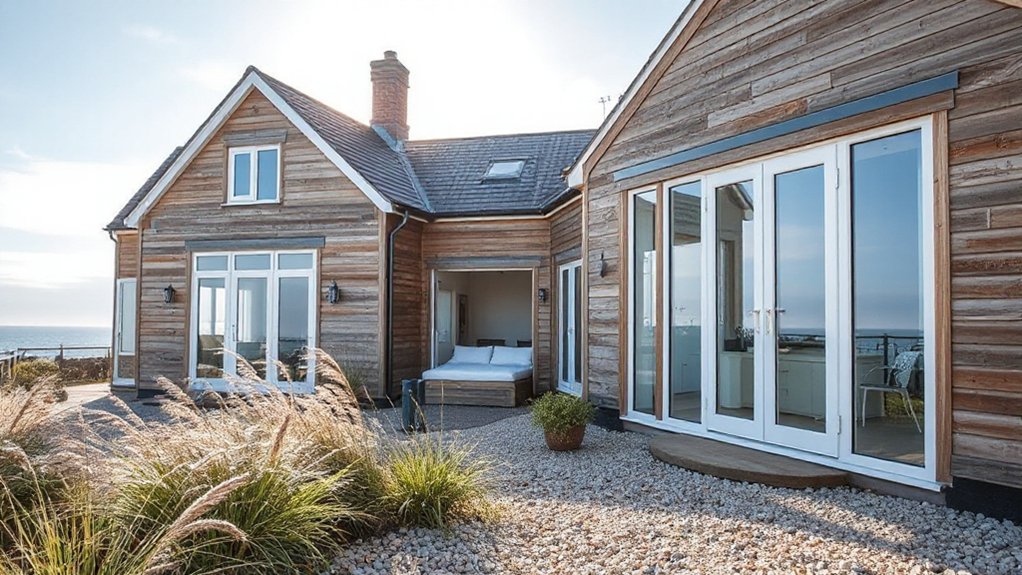
You’ll notice a neat coincidence: coastal homes here often feel brighter after the simplest extension. You’ll want weatherproof materials, smart glazing, and salt-resistant details that last—think marine-grade timber, coated aluminium cladding, and stainless fasteners. You’ll also benefit from practical layouts that maximize sun and views, plus ventilation and drainage to curb damp and spray. Sparks of Brighton character should guide color and texture, while keeping maintenance low. There’s a practical path forward—if you keep these choices in mind, you’ll know what to plan next.
Coastal Needs for Extensions: Sun, Wind, and Damp Resilience
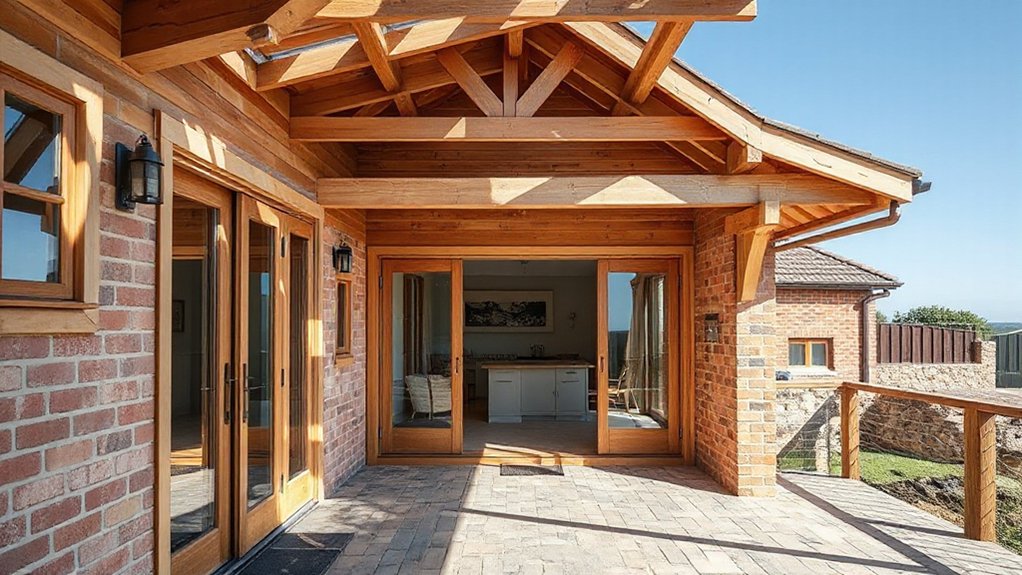
Coastal homes face unique extension challenges from sun, wind, and damp, so plan with climate in mind. You’ll prioritize sun protection, wind loading, and damp prevention from the outset.
Begin with orientation: position living spaces to catch southern sun while shielding bedrooms, and use overhangs or louvers to control heat.
Choose framing and connections rated for salt exposure, minimizing galvanic corrosion and timber rot. Treat timber with marine-grade preservatives and seal joints to deter moisture ingress.
Maintain ventilation to reduce humidity buildup, and design drainage that channels spray away from foundations.
Select low-profile, wind-friendly roofs and sturdy screens for coastal breezes.
Seaside serenity informs your layout, while Coastal charm guides finishes and details, ensuring a durable, comfortable extension that stays inviting year-round.
Weatherproof Materials for Salty Climates
Salt exposure demands materials that resist corrosion and salt spray, so you’ll prioritize weatherproof, salt‑resistant options like stainless steel fasteners, vinyl or PVC trim, and coated aluminum cladding.
Pair these with proven coastal sealing methods, such as watertight flashing, barrier coatings, and corrosion-immune deck boards, to keep joints and interfaces robust.
Start by evaluating your climate, salt load, and maintenance schedule to choose a durable mix of salt-resistant materials and proven coastal weatherproofing techniques.
Salt-Resistant Materials Choices
What materials stand up best to salty air and spray, and how do you choose them for long-lasting coastal town homes? You’ll prioritize corrosion resistance, smooth finishes, and low maintenance.
Start with framing and structure in marine-grade lumber or treated timber, paired with corrosion-resistant fasteners to reduce rust risk.
For exterior cladding, choose powder-coated metal, fiber cement, or vinyl with salt-spray warranties, and assure proper ventilation behind the siding to minimize moisture buildup.
Stone, brick, and concrete offer durability, but seal joints to prevent salt ingress.
For finishes, opt for marine grade finishes and UV-stable coatings that resist blistering and peeling.
Install corrosion resistant fixtures and hardware, and keep metal elements clean and dry after salt exposure to extend life.
Regular inspections catch issues before they escalate.
Coastal Weatherproofing Techniques
To weather salty climates effectively, start with a layered moisture and salt defense that targets both exterior surfaces and interior envelopes. You’ll choose corrosion-resistant framing and waterproof membranes, then seal joints with marine-grade caulk.
Use coated, low-porosity claddings and ventilated rainscreens to minimize moisture intrusion, while detailing flashing around windows and doors for continuous drainage. Exterior finishes should be salt-tolerant and easy to rinse, with UV-stable coatings that resist blistering.
Inside, install vapor barriers, proper attic ventilation, and dehumidification where needed to prevent mold.
Incorporate Seaside landscaping around the footprint to reduce wind-driven spray and manage runoff.
For safety, integrate Marine safety features like non-slip deck coatings and corrosion-resistant handrails.
This approach keeps extensions durable, comfortable, and low-maintenance in coastal conditions.
Glazing and Insulation for Bright, Efficient Spaces
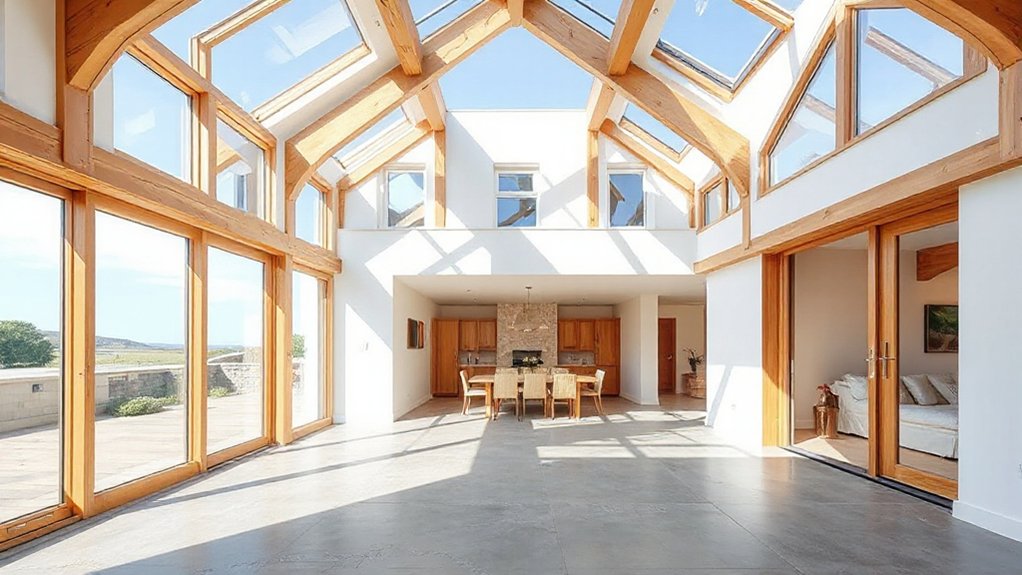
Glazing and insulation aren’t just about warmth; they shape light, comfort, and energy bills in coastal town homes. You’ll optimize performance with high-performance double or triple glazing, low-emissivity coatings, and airtight seals to curb drafts near sea breezes.
Choose frames with corrosion resistance and sufficient weatherstripping, then size openings to balance daylight with heat retention.
Insulation matters more than you think: target roof and wall cavities, floors above unheated spaces, and radiant barriers where needed.
Integrate shading strategies that preserve interior lighting while cutting heat gain—consider interior blinds or smart window treatments that respond to sun angles.
Plan for venting that avoids humidity buildup without sacrificing warmth.
Align glazing choices with interior lighting goals and window treatments, ensuring a bright, efficient, low-maintenance space.
Brighton-Style Design: Respecting Seaside Character
Brighton-style design thrives on a towns’ sea-breeze identity, blending relaxed coastal charm with modern practicality. You shape spaces that nod to the coast without overpowering them, pairing durable materials with soft textures to weather sea air.
Emphasize Seaside aesthetics through daylight, pale tones, and natural textures like driftwood or sisal. Choose fixtures in muted blues or off-white to echo water and sand, avoiding loud patterns that clash with maritime surroundings.
Prioritize low-maintenance surfaces that resist salt spray, such as sealed timber, stone, or ceramic tile. Incorporate nautical decor in restrained ways—a rope detail on a pendant, a brass finish on hardware, or a model vessel as an accent—keeping lines clean and spaces uncluttered.
Balance heritage appeal with contemporary efficiency for longevity.
Layouts That Maximize Space: Conservatories and Rear Extensions
If you want to maximize space in coastal homes, conservatories and rear extensions offer practical, high-impact options that expand living areas without sacrificing footprint. You’ll gain bright, usable zones by aligning glazing with interior lighting goals, using full-height doors to blur indoor-outdoor boundaries, and selecting UV-safe glass to protect furnishings without dimming sightlines.
Conservatories should have a solid base and insulated roof to avoid overheating or chill. While rear extensions benefit from a single-storey footprint that preserves garden flow.
Furnish with compact, multi-purpose pieces to keep circulation clear. Plan furniture placement to create distinct zones—dining, lounge, and work—without crowding. Use light colors and reflective surfaces to enhance perceived space, and assure electrical outlets follow convenient routes for lamps and tech.
Planning, Budgeting, and Coast-Smart Cost Saving Tips
Planning, budgeting, and coast-smart cost saving start with a clear scope and a realistic timeline, so you can match what you want with what you can afford. You’ll create a practical plan by listing must-haves, nice-to-haves, and non-essentials, then prioritize decisions that deliver the best coastal value.
Set a target budget with contingencies for weather-related delays and permitting fees. Compare quotes from reputable builders who understand salt air, high humidity, and coastal codes.
Garden integration adds low-maintenance greenery that softens wind exposure and reduces heating needs. Interior lighting choices influence energy use and ambience without raising costs. Choose efficient fixtures, dimmers, and daylighting strategies to extend daylight.
Track progress weekly, adjust scope as needed, and document changes to minimize rework.
Frequently Asked Questions
How Do Coastal Codes Affect Extension Height Limits in Brighton?
Coastal codes cap extension heights in Brighton through building height restrictions and coastal zoning regulations. You’ll need to check local planning guidance, consider setback rules, and verify any tall-structure allowances, ensuring your project respects height limits and permitted footprints.
What Color/Finish Best Hides Salt Spray on Exterior Clapboard?
Coastal paint in light, matte tones hides salt spray best, while salt resistant finishes add durability; 60% of coastal homes report color fading less than two years with ceramic or acrylic blends. You’ll choose practical, long-lasting options now.
Can Micro-Wt Fans Improve Indoor Air Quality at the Coast?
Yes, micro-wt fans can help improve indoor air quality at the coast by moving moist, salty air through vents and exhausting humidity. They optimize air exchange, reduce condensation, and support ventilation while you monitor indoor air conditions.
Are There Specific Insurers for Seaside Extension Projects?
Seaside insurance exists, and yes, some insurers offer coastal coverage tailored to seaside extension projects. You should compare policies, confirm flood and storm rider options, and verify contractor coverage is included for your specific seaside extension needs.
What Maintenance Schedule Protects Timber Coastal Extensions Long-Term?
You should implement a regular maintenance schedule: inspect timber every 6–12 months, treat with timber treatment, reseal joints after storms, and refresh weatherproofing strategies; clean gutters, check seals, and promptly address rot or insect damage.
Conclusion
Coast-smart extensions pay off by blending durability with daylight, so you get brighter living without paying for dodgy compromises. If you test a theory that seaspray equals faster wear, you’ll notice marine-grade timber and stainless fixings resist corrosion far better than ordinary materials. Practical tip: specify ventilated rainscreens and low-profile roofs to curb damp. In short, plan for weather, materials, and views, and your Brighton-ready addition stays stylish and sturdy for years.