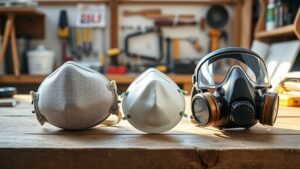
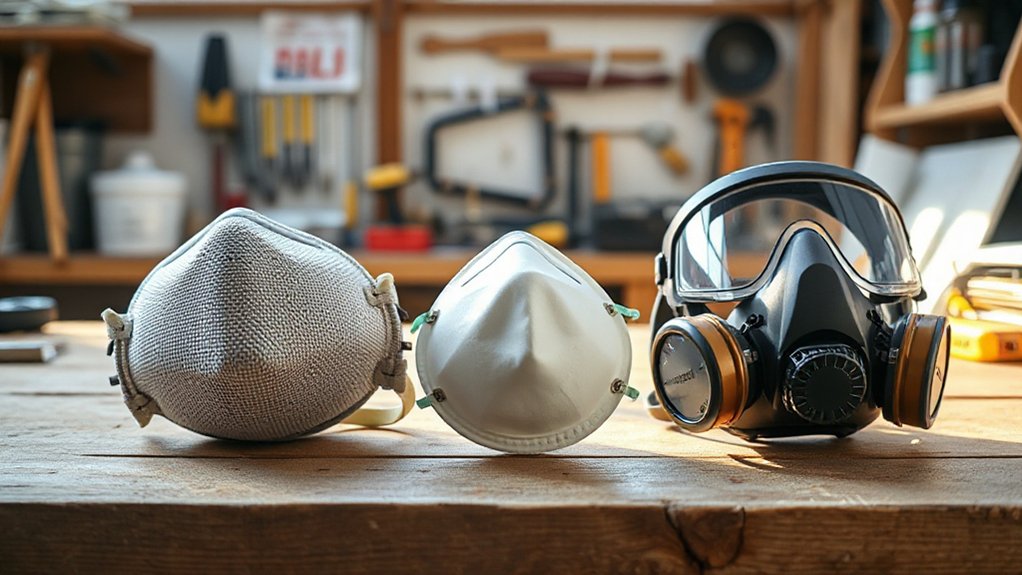
For home improvement, choose masks that meet NIOSH standards and balance filtration with a snug, leak-free fit. N95s filter at least 95% of non-oil particles, while P100s reach 99.97% and handle finer aerosols; use respirators with appropriate particulate filters for sanding, cutting, or fiberglass. Disposable masks work for short tasks; reusable elastomeric respirators are better for longer jobs or fumes with the right vapor cartridges. If you want more specifics, you’ll uncover task-by-task guidance and a quick-start checklist.
Understand Dust Mask Basics for DIY
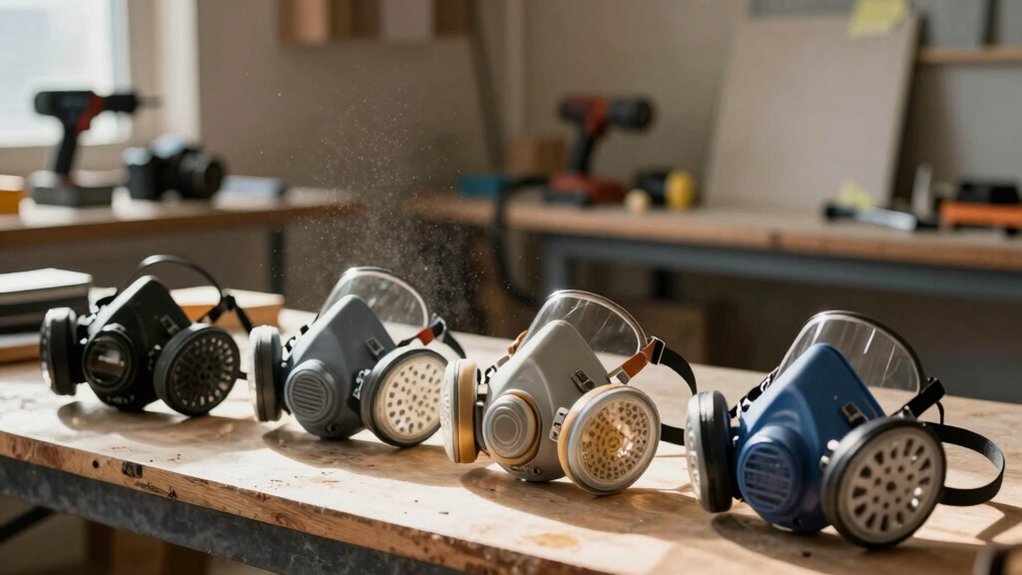
Dust masks are essential gear for any DIY project that kicks up dust, from sanding drywall to cutting wood. You need a clear grasp of basics before you pick a tool. Start with mask materials, because performance hinges on filtration media and durability. Look for sturdy layers, low breathing resistance, and proven suspensions that won’t collapse under heat or moisture.
Next, assess mask sizing; a proper seal matters as much as substance. Choose a mask that fits snugly over your nose and cheeks without gaps, and verify adjustable straps stay secure during heavy work. Don’t overlook components like valves in hot environments, which influence comfort and airflow.
With precise fit and material quality, you maximize protection while maintaining productivity.
What N95, P100, and Respirator Ratings Mean
Understanding N95, P100, and respirator ratings helps you choose the right protection for dust and airborne particulates. You’ll see that N95 means at least 95% filtration of non-oil particles, while P100 also filters 99.97% of particles, including oil-based aerosols.
Respirator ratings clarify fit, seal integrity, and Assigned Protection Factor, guiding you to appropriate workplace or home-use scenarios. Look for standards like NIOSH approval and the connection between filtering materials and efficiency.
You’ll notice that higher ratings often require well-fitting masks and proper seal checks to deliver real protection. Remember, mask maintenance matters: replace cartridges and filters as recommended, inspect straps, and don’t reuse disposable parts beyond guidance.
Choose your level based on exposure, not comfort alone.
Disposable vs Reusable Masks: When to Choose
Disposable masks are a practical first line for short tasks and low-to-moderate dust exposure, but you’ll choose differently when you’re dealing with heavy debris, fine aerosols, or long durations. You gain control by weighing mask materials, reuse potential, and practical lifespan.
For quick, low-risk jobs, disposable options minimize setup time and simplify disposal, yet they often generate more waste and can compromise comfort over extended periods. Reusable respirators or elastomeric options deliver better long-term environmental and cost efficiency when you face ongoing project demands, provided you maintain seals and inspect cartridges regularly.
Consider environmental impact beyond immediate cost: reusable masks typically lower waste per hour, but require cleaning and storage. Your decision should align with task severity, durability, and your commitment to safe, persistent protection.
Filtration vs Fit for Sanding: The Essential Balance
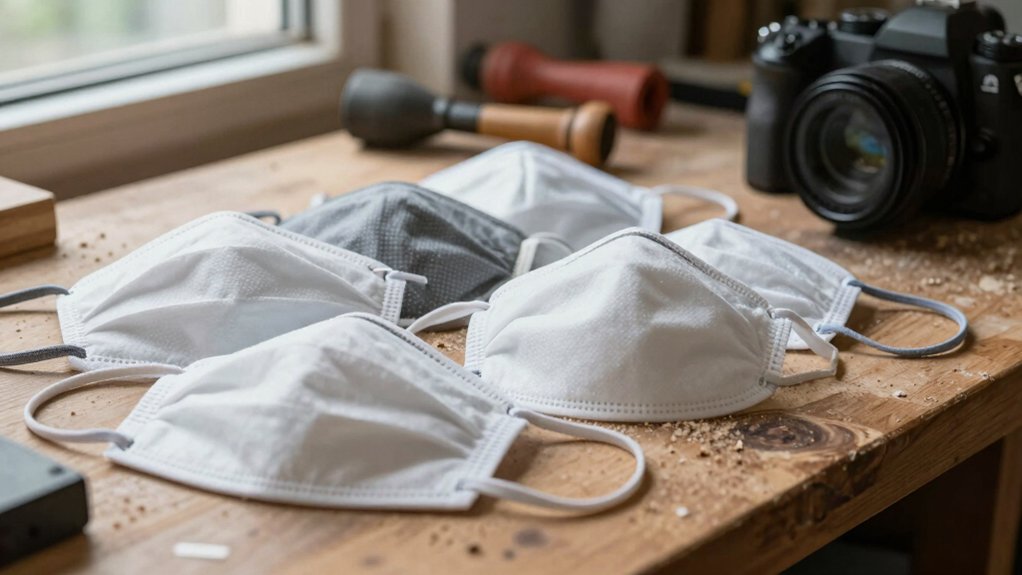
When sanding, you need both filtration adequacy and a reliable seal: poor filtration won’t catch fine dust, and a weak seal lets it escape at the edges.
Guarantee your respirator’s filter rating matches the dust level, and that the mask fits snugly to your face without gaps.
Prioritize fit testing and proper seal over cosmetic comfort to reduce exposure and protect your lungs.
Filtration Adequacy Balance
Filtration adequacy hinges on balancing effective particle capture with a proper seal during sanding, because high filtration efficiency alone won’t protect you if your mask leaks around the edges.
You should prioritize a filter material that delivers robust efficiency without compromising breathability, ensuring you can work without fatigue.
Evaluate whether the media maintains performance across dust textures typical of sanding, including fine respirable particles.
Pair this with a secure, stable fit to minimize bypass.
Quality filters reduce irritation and exposure, supporting consistent protection through prolonged sessions.
mask aesthetics matter only insofar as it reflects construction quality and user confidence, not vanity.
Informed choices fuse measured filtration with practical comfort, yielding a practical, defensible balance that keeps you safer while you stay productive.
Fit and Seal Importance
Even though high filtration efficiency matters, a poor seal undermines protection during sanding, so fit and seal are the critical second half of the equation.
You must prioritize a secure seal as your primary defense, then trust filtration for particles that slip through.
- Ensure mask material forms a tight barrier with your face, no gaps tolerated
- Check expiration dates before each project; aging seals crack and contaminate
- Test fit with a user seal check—no air leakage allowed
- Replace worn components promptly to maintain integrity
- Choose models with adjustable nosepieces and compatible straps for a firm, comfortable seal
Choosing a Mask for Fiberglass and Paint Fumes
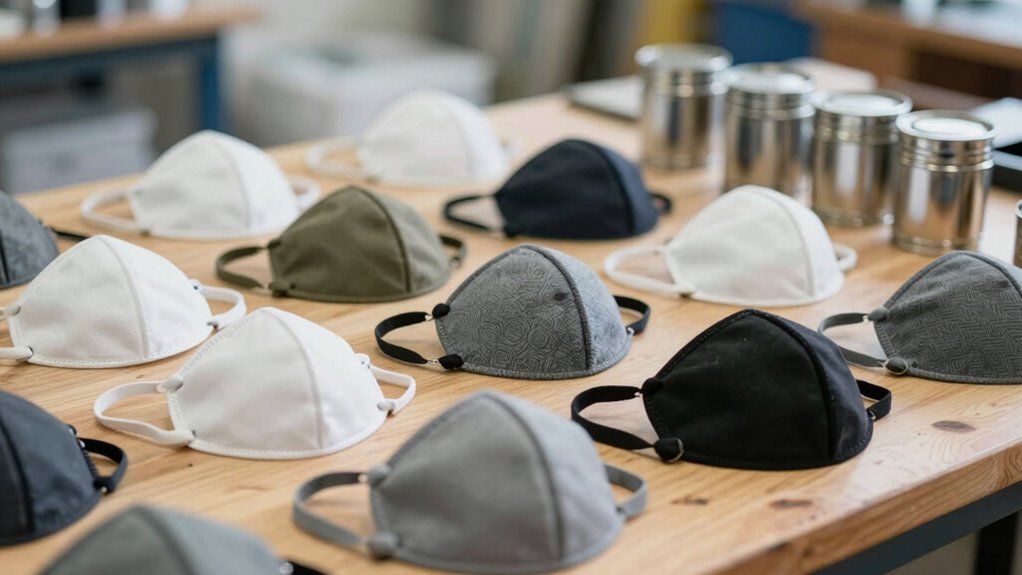
For fiberglass, choose a mask with high filtration efficiency (N95 or better) and a properly sealed fit to prevent particle leakage. Confirm compatibility with your respirator if you’re using cartridges.
For paint fumes, select an organic vapor cartridge paired with particulate filtration. Verify a snug seal to minimize vapor and particulate exposure.
Look for respirators that meet NIOSH standards and follow the manufacturer’s guidance on use, fit testing, and replacement intervals.
Fiberglass Filtration Efficiency
How effective are common masks at filtering fiberglass particles and paint fumes? You demand results, and the data backs fidelity. Fiberglass filtration hinges on filtration media, seal, and fit, not just labeled ratings. Efficiency testing shows real-world performance varies with particle size and airflow.
For fine fiberglass fibers, look for multiple layers, electrostatic media, and a snug seal to minimize leakage. Masks rated N95 or better, with respirator-style designs, generally outperform basic disposable models in fiberglass tasks. Always confirm manufacturer-tested claims and verify compatibility with paints or solvents you’ll encounter.
Prioritize full-face or well-sealed half-face options when high exposure is possible. Your goal: consistent protection, verified by testing, to keep inhalation risks as low as possible.
- Confidence through tested efficiency and proper fit
- Strong seals reduce leakage and exposure
- Multi-layer, electrostatic filtration improves capture
- Clear labeling supports informed choices
- Regular, independent efficiency testing reinforces safety
Paint Fume Protection
If you’re tackling fiberglass and paint work, choose a mask with proven protection against paint fumes and related solvents, not just particle filtration. To secure paint fume protection, look for respirators labeled for organic vapor filtration and multi-gas capabilities, paired with a compatible organic vapor cartridge or P100 prefilters.
Your selection should combine fiberglass filtration with chemical resistance, ensuring a tight seal and minimal leakage. Check the respirator’s Assigned Protection Factor (APF) and ensure fit testing is feasible in your workflow.
Avoid relying on dust-only dust masks. Prioritize dual-filter cartridges designed for solvents, plus an elastomeric facepiece for durability. Confirm user instructions emphasize safe use, proper maintenance, and timely cartridge replacement to sustain peak protection against fumes.
Respirator Compatibility Tips
When selecting a mask for fiberglass and paint fumes, verify that the respirator pairs chemical protection with solid particulate filtration and a secure seal. You’ll ensure efficiency by matching cartridge ratings to contaminants and confirming fit each use.
Prioritize models with eye protection compatibility and low breathing resistance to maintain performance under pressure. Remember respirator maintenance and mask storage aren’t afterthoughts—they sustain protection and extend lifespan.
Inspect headbands, valves, and seals for wear; replace damaged parts promptly. Practice proper donning, doffing, and cartridge disposal to prevent cross-contamination.
Choose reusable elastomeric or PAPR options if you work daily. Rely on manufacturer guidance for compatible filters, and test seal before each task.
- Feel the immediate certainty of a correct fit
- Replace worn components without hesitation
- Store gear in a clean, dry environment
- Maintain clean filters to preserve airflow
- Schedule regular maintenance checks for peak performance
How to Test Mask Fit and Seal
A proper fit is essential for effective protection, so start by inspecting the mask and its straps for damage and proper sizing before testing the seal.
Put on the mask and position it firmly against your face, ensuring a snug seal around the edges.
Perform a series of fit checks: exhale gently, note any air leakage at the nose or cheeks, and adjust the nose bridge or straps for an airtight contact.
Do a negative-pressure test by inhaling; if the mask collapses against your face, you’ve achieved a good seal.
Ensure the mask material remains pliable and undamaged through use.
Confirm breathing comfort as you move, speak, and perform tasks.
A secure seal minimizes leakage and maximizes protection.
Comfort Tips for Long DIY Sessions
After you’ve established a secure seal, keeping comfortable during lengthy DIY sessions becomes part of effective protection. To sustain performance, monitor breathability and adjust pace to avoid fatigue without compromising filtration.
Address breathability issues by choosing masks with proper airflow design and load distribution firsthand, and take short, planned breaks to reset breathing. Hydration and a cool environment can reduce heat buildup that distracts from focus.
Maintain form by switching masks when moisture accumulates, and avoid touching the face between checks. Practice efficient storage to preserve integrity.
- Prioritize airflow comfort without sacrificing fit
- Schedule breaks to reset breathing
- Keep a cool, ventilated workspace
- Tag and rotate masks to prevent moisture buildup
- Follow mask storage tips for longevity
Best Reusable Respirators for Frequent Projects
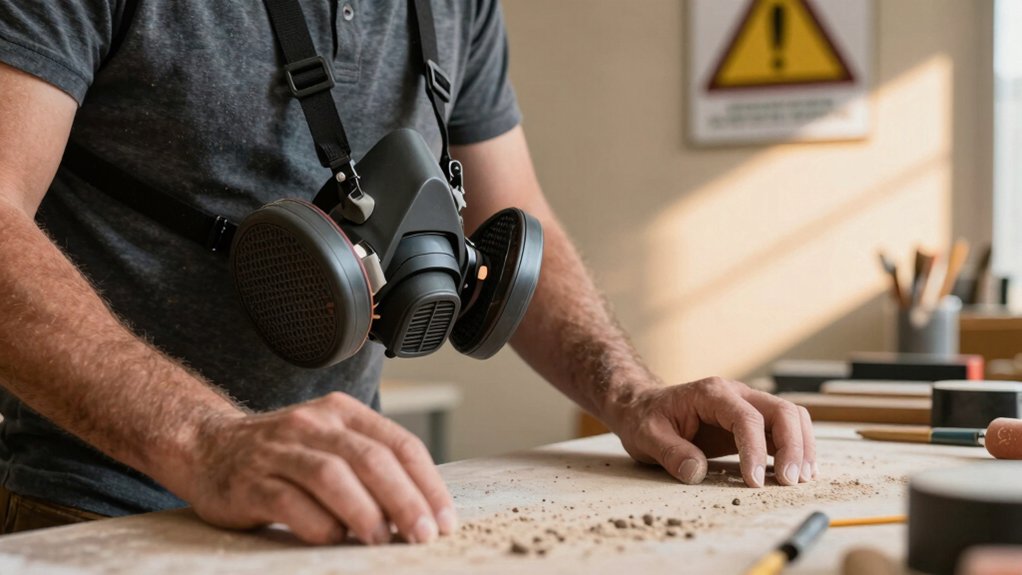
For frequent projects, reusable respirators offer reliability and cost efficiency when you choose models that balance fit, filtration, and comfort. You select respirators with adjustable straps, a strong seal, and compatible filters rated for nuisance dust through P100 or HE filter classes.
Prioritize respirators with low breathing resistance and clear fit tests, so you maintain protection without fatigue across sessions. Durability matters: replace cartridges or filters per manufacturer guidance to sustain performance and minimize breakthrough risk.
Prepare for field use by inspecting for cracks, damaged elastics, and valve integrity before each session. Remember to manage filter replacement timelines and document change dates.
After use, store masks properly, and keep storage away from contaminants to preserve performance and readiness.
Cleaning and Maintaining Reusable Masks Safely
Cleaning and maintaining reusable masks safely starts with a routine you can trust: inspect the mask after every use for cracks, torn straps, or degraded seals, and follow the manufacturer’s cleaning instructions to avoid compromising fit and filtration.
- Adhere to mask maintenance schedules to preserve protective performance and your confidence.
- Use the specified cleaning procedures to prevent material degradation and loss of filtration efficiency.
- Air-dry completely before reuse to avoid mold and compromised seals.
- Replace worn components promptly to maintain a secure fit and reliability.
- Document maintenance steps to ensure consistency across uses and projects.
This disciplined approach ensures you retain effective filtration, minimizes exposure risk, and sustains peak performance during every home-improvement task.
Odor Control and Eye Protection With Respirators
Odor control and eye protection are essential when using respirators during home improvement, because odors can indicate volatile organic compound exposure and irritants that may affect comfort and safety.
You should pair respirators with proper eye protection to prevent irritation from splashes, dust, and fumes. Choose an eye shield that fits smoothly over safety glasses or a helmet face shield, minimizing gaps where contaminants can reach your eyes.
For odor absorption, select cartridges rated for organic vapors and change them per manufacturer guidance to sustain performance. Verify a secure seal to reduce breakthrough that could irritate eyes and mucous membranes.
Regularly inspect hoses, valves, and filters, replacing worn components promptly to maintain protective integrity under demanding project conditions.
Budgeting: Cost Per Use vs Upfront Price
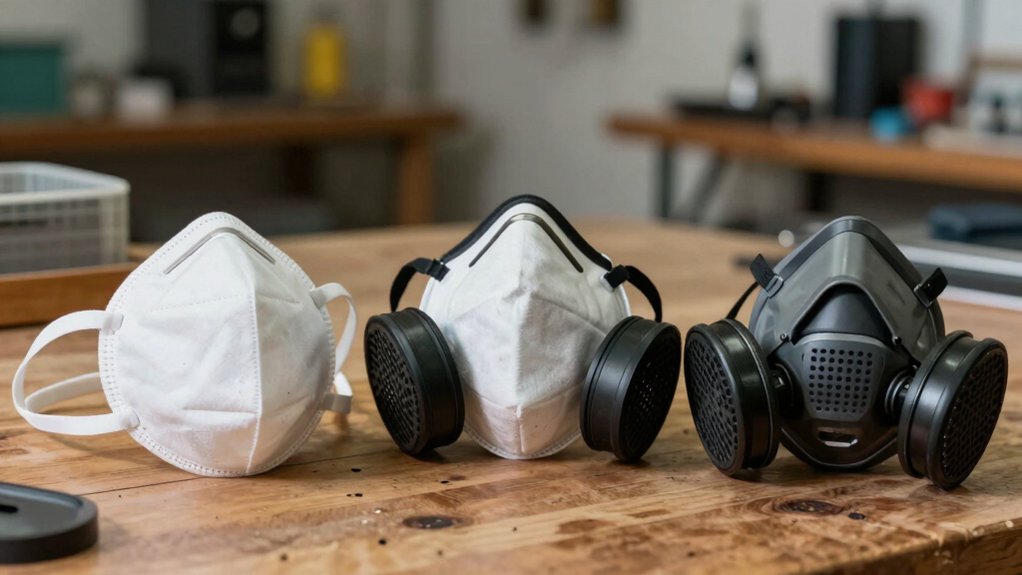
When budgeting for respirators and related accessories, you should compare cost per use with upfront price to avoid underestimating long-term costs. A tight cost analysis shows that durable masks often save money even if the upfront cost is higher, thanks to longer replacement intervals and fewer failures.
Assume real-world wear, field conditions, and maintenance; durability drives overall value more than sticker price alone. Prioritize respirators rated for your application, with replaceable filters and a proven service life. Balance upfront investment against per-use expenses to reveal the true total cost.
This approach sharpens safety decisions and protects your project’s timeline and health.
- You’ll feel empowered by transparent, data-driven choices
- Durable components reduce surprise expenses
- Fewer replacements mean steadier budgets
- Clear performance metrics guide your buy
- Confidence comes from verifiable longevity and reliability
Mask Compatibility With Eyewear and PPE
When you choose a mask, consider how it fits with your eyewear and PPE to prevent fogging and gaps. Look for designs with adjustable nose bridges and headbands that seal without pinching.
Pair your mask with safety goggles or face shields that maintain a secure seal. We’ll review practical compatibility tips and verify selections against applicable safety standards to support effective protection.
Eyewear Compatibility Considerations
Eyewear compatibility is a practical concern during home improvements, as improper fit can compromise both protection and vision. When selecting dust masks, ensure seal integrity with your eyewear and PPE. Your choice should prioritize full eye protection without gapping, so fogging is minimized and field of view remains clear.
- Align mask straps to avoid pressing on temples or squeezing frames
- Check for gasket contact that doesn’t push lenses or distort vision
- Prefer anti-fog coatings or vents that don’t let debris bypass eye protection
- Test with goggles before work to verify seal stability
- Choose PPE that complements, not competes with, eye protection routines
PPE Integration Tips
To guarantee reliable protection, integrate mask, eyewear, and other PPE as a single system, testing fit and seal before work begins. You’ll verify compatible headbands, temple tips, and strap tensions to minimize gaps at the cheeks and nose.
Align eyewear with the mask so lenses don’t fog or dislodge when you move. Maintain a strict routine: perform a seal check, and replace components showing wear or deformation.
Choose PPE that tolerates pressure without causing discomfort that tempts adjustment. Adhere to mask maintenance practices—clean surfaces, inspect filters, and replace cartridges per guidance.
When not in use, adopt proper storage solutions to preserve fit and materials. Document maintenance, and train teammates to ensure consistent protection across the team.
Common Mask Mistakes That Reduce Protection
Common mask mistakes that reduce protection often come from improper fit, worn practices, or using the wrong type of respirator for the task. You must verify fit, seal, and compatibility before every use, or protection drops dramatically.
Inadequate donning, reusing disposable masks, or skipping eye protection undermines effectiveness. You should follow manufacturer guidelines for storage and disposal to prevent contamination.
Choose the correct respirator for dust type and concentration, and avoid improvisation that creates leaks.
Consistent replacement schedules and proper handling preserve filtration efficiency.
Prioritize seal checks and doff procedures to avoid self-contamination.
Remember to implement mask storage practices and mask disposal steps to maintain readiness and reduce risk.
- Improper fit creates leaks and false security
- Reusing disposable masks beyond recommended limits
- Skipping seal checks before wear
- Neglecting proper mask storage and disposal
- Using the wrong respirator for the task
Task-by-Task Mask Guidance: Sanding, Grinding, Painting
When you tackle sanding, grinding, or painting, picking the right mask and using it correctly is nonnegotiable for protecting your lungs and eyes. Choose a respirator with appropriate filters: P100 or N95 for particulates, and cartridge filters for vapors when painting.
Guarantee a proper seal, perform fit checks, and replace filters as directed by the manufacturer. Implement ventilation strategies: work with localized exhaust, keep air moving to dilute dust, and avoid recirculating contaminated air.
Store masks and filters clean and dry, away from contaminants. Label storage dates and disposal timelines, and inspect components before each use. After projects, clean disposable parts or replace as recommended.
Effective mask storage and ventilation practices safeguard ongoing protection and performance.
Quick-Start Checklist: Grab-and-Go Protection
You can grab grab-and-go protection by quickly checking your fit, then selecting a filter type that matches the task at hand. Use the quick-fit tips to guarantee a snug seal, review the filter types quick guide for appropriate efficiency, and confirm the assembly before you begin.
This brief checklist keeps you protected, focused on safety, and ready to work without delays.
Quick Fit Tips
If you’re tackling home improvements that create dust, this quick-fit checklist helps you grab proper protection fast: choose a mask with an NIOSH rating appropriate to the task, guarantee a snug seal, and verify the fit before you start.
- Secure the nose bridge for a non-leak seal and consistent breathing
- Check mask materials and finish for comfort without compromising protection
- Confirm the filter technologies match dust type and exposure duration
- Adjust straps evenly to avoid pressure points and slippage
- Perform a seal test and real-world wear check before any work begins
Filter Types Quick Guide
Choosing the right filter type speeds up protection and keeps you comfortable during dust-heavy tasks. In this quick guide, you’ll match mask filters to your project, not guesses.
Nuisance particles demand basic filtration; for fine dust, opt for respirator cartridges with P100 or HEPA-equivalent ratings to achieve at least 99.97% efficiency.
For nuisance sanding, a simple, well-sealed disposable respirator can suffice when fit checks pass consistently.
Consider material alternatives that balance filtration and breathability, especially for longer sessions.
Replace filters according to manufacturer guidance and field conditions; never reuse compromised media.
Plan for mask disposal and proper handling to prevent contaminant spread.
This guidance prioritizes safety data, practical fit, and clear, actionable steps for immediate protection.
Seal for Safety
When dust picks up, a proper seal is your first line of defense, so start with a well-fitted mask and a snug facial seal. You demand results, so verify fit, examine straps, and test for leaks before any task. This is your edge: consistent seal maintenance and choosing mask materials that resist breakout, sag, and moisture.
Rigorously seal, secure, and retest after movement or sweat. A proven seal minimizes exposure, protects lungs, and fuels confident performance.
- Confirm strap tension before every use and adjust for comfort and security
- Inspect mask materials for wear, tears, or compromised filter layers
- Perform a quick fit check, breathing calmly to detect leaks
- Clean sealing surfaces and facial contact points after each session
- Replace worn components promptly to sustain maximum protection
Conclusion
You’ve got the tools; now you need the shield. Treat your lungs like a priceless alloy—protect them with a properly rated mask, worn correctly, and matched to the task. A snug seal, no gaps, and the right filtration—N95 for dust, P100 or a respirator for fumes and fiberglass. Don’t reuse disposable masks beyond their life, and replace worn cartridges. When in doubt, test fit, read the label, and err on the side of stronger protection. Your safety fuels steady, precise work.