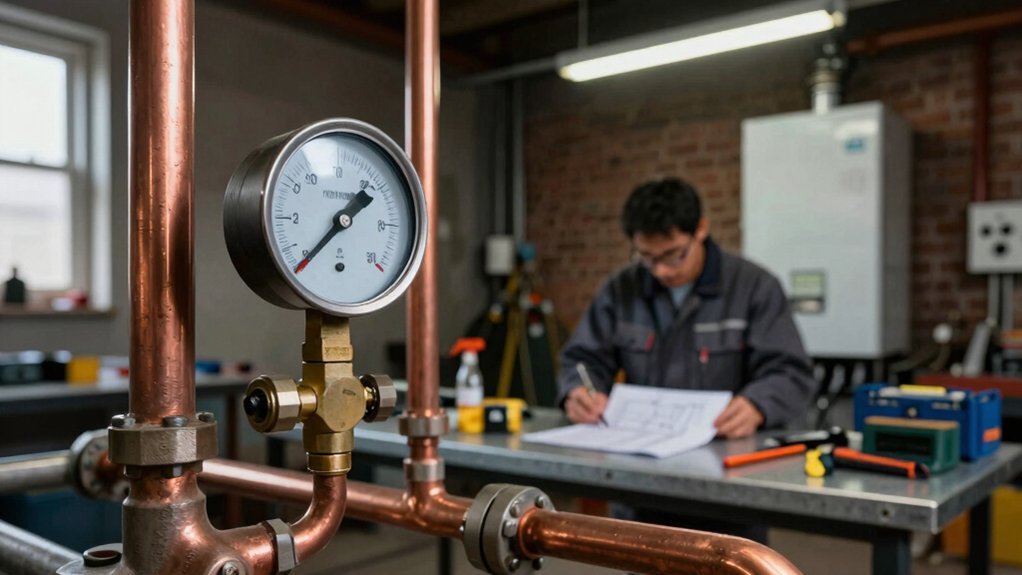
Before you replace a boiler, take a practical look at your current system’s age, efficiency, and repair history, then map out your home’s heat needs with a basic load check. Consider compatibility with piping, venting, and controls, and weigh retrofit options that could boost comfort and savings. Gather detailed quotes, compare long-term costs, and note safety and serviceability concerns to guide a capable choice—but there are important questions left to answer before you commit.
Assessing Current Boiler Efficiency and Age
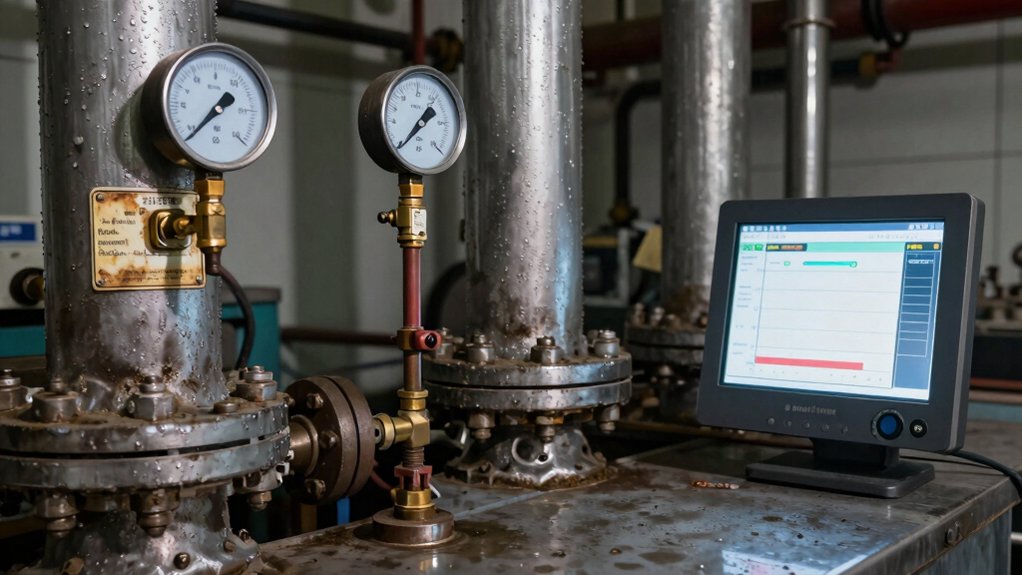
Evaluating your current boiler’s efficiency and age starts with a straightforward check of performance and upgrade timeline. You’ll assess runtime patterns, fuel bills, and cycling frequency to gauge efficiency without assuming. Track hours-on-use versus output and note any temperature swings that signal heat loss or control issues.
Compare current performance to the original specifications and typical efficiency standards for your model. Consider heating fuel consumption trends over the last year and whether seasonal demand spikes align with expected behavior.
Insulation quality in surrounding ducts and the boiler’s cabinet affects overall efficiency, so inspect seals and enclosure gaps. If heat delivery feels uneven or you’re routinely topping up fuel, plan a professional assessment to confirm whether replacement is warranted.
Evaluating Home Heating Demands and System Compatibility
Start by evaluating your heating load to determine the real demand your home places on a new boiler. Check system compatibility early—pipe sizes, venting, and existing radiators or baseboards influence which unit will perform best.
Compare demand versus capacity to ensure the boiler you choose can meet peak loads without oversized waste.
Assess Heating Load
To assess heating load, you’ll determine how much heat your home needs to stay comfortable in its worst winter conditions and whether your current system can meet that demand.
You’ll quantify heat loss through walls, windows, doors, and insulation, then balance it against sensible output from your boiler and distribution system.
Calculate design temperature differences and use established guidelines or a professional calculation for target BTU requirements.
Assess thermal load with a practical method: estimate area, insulation quality, and solar gains, then adjust for occupancy and lifestyle.
This isn’t about guesswork; it’s about precise sizing to maintain thermal comfort and steady indoor air quality.
A correct load assessment minimizes short-cycling, improves efficiency, and reduces unexpected outages.
System Compatibility Check
Now that you’ve quantified the heating load, you’ll compare those demands with your current boiler and distribution system to make certain of compatibility. Your next step is a focused system compatibility check.
Verify that boiler input, burner’s output, and heat distribution match the calculated load without oversizing.
Inspect piping, valves, and pump performance for adequate flow and pressure, ensuring no bottlenecks or excessive cycling.
Confirm controls and thermostats coordinate with existing zoning, ensuring seamless boiler integration across zones and runtimes.
Assess venting or flue compatibility with the chosen boiler, and check clearance, clearance, and venting clearances per code.
Review electrical supply, safety devices, and condensate handling if applicable.
Document any conflicts, noting required adjustments to achieve reliable boiler integration and efficient operation.
Demand Vs Capacity
Demand and capacity must align for reliable heating: you’ll compare the calculated load with what your boiler and distribution system can actually deliver, guaranteeing the system isn’t oversized or undersized.
Demand vs capacity is about matching demand profiles to equipment capability. Start with a precise heat load assessment for each zone, then verify that your boiler’s output, modulation range, and circulation pumps can meet those needs across typical outdoor temperatures.
Consider how fuel type affects efficiency and response, and inspect the installation location to confirm routing, venting, and heat exchanger sizing won’t bottleneck performance.
Guarantee the distribution network (pipes, radiators, or underfloor coils) can carry the design flow without excessive pressure loss. This check prevents costly mismatch and guides selecting a unit that harmonizes with your home’s layout and energy goals.
Reliability, Repair History, and Maintenance Costs
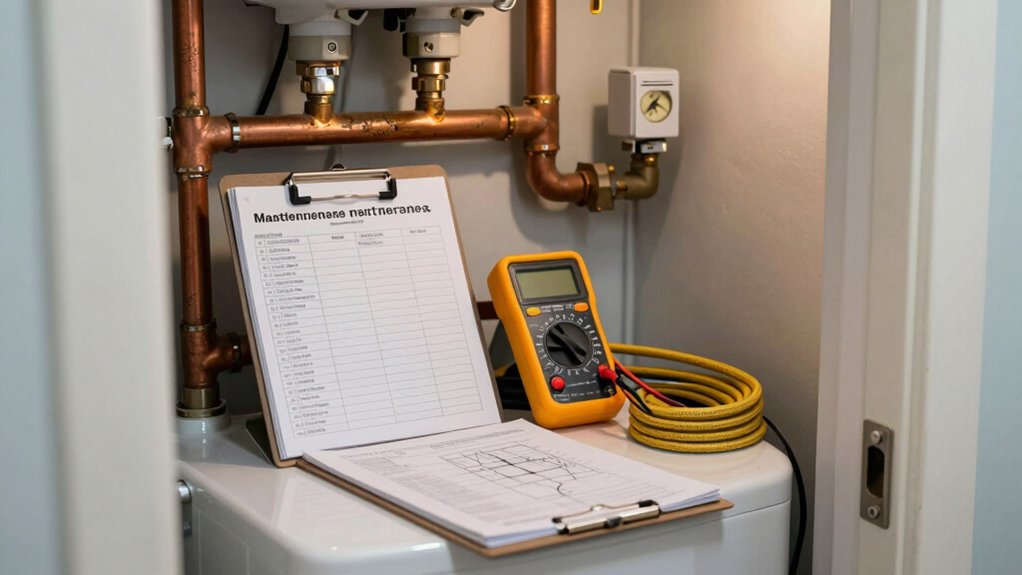
Reliability, repair history, and maintenance costs are critical when deciding whether to replace a boiler. You should assess current performance, trackable failures, and how often service visits occur. Look for patterns in breakdowns and dropout hours that signal reliability concerns.
Review maintenance history for persistent issues, recurring parts, or escalating labor costs, then compare with newer models’ warranties and expected service intervals. If downtime disrupts comfort or operations, quantify lost energy efficiency and emergency callouts.
Consider the cost trajectory: frequent repairs can outweigh a replacement’s upfront price. Keep notes on parts availability and lead times, as these affect long-term reliability.
Use this data to determine if maintenance costs will stabilize, or if a modern unit will deliver meaningful savings.
Retrofit Options to Improve Performance
If you’ve reviewed reliability and maintenance costs, you can explore retrofit options that boost performance without a full replacement. Retrofit approaches focus on efficiency, control, and reducing heat loss, not on guessing at unknown failures.
Insulation upgrades help minimize heat escaping through walls, ceilings, and pipes, delivering steadier indoor temperatures with less boiler effort. Upgraded thermostat controls enable smarter scheduling, zoning, and adaptive responses to occupancy, so you heat only where and when needed.
Consider sealing ducts and addressing any leaks to reduce resistance and improve overall output. Check boiler efficiency ratings and compatibility with current systems before purchasing components.
Plan a phased implementation to minimize disruption, verify warranties, and confirm long-term savings align with your comfort goals. Retrofit thoughtfully, and you may delay or avoid full replacement.
Repair Vs Replacement: Making the Trade‑Off
When you’re weighing repair versus replacement, start with a cost-benefit snapshot that weighs upfront costs against long-term savings and downtime.
Then assess the repair lifespan outlook and whether continued fixes will reliably extend performance or push you toward replacement, given system compatibility checks with current models.
This sets a practical framework to decide what makes the most sense for your home and budget.
Cost-Benefit Overview
So, how do you decide between repairing a boiler and replacing it? A clear cost-benefit overview helps you weigh options without guesswork.
Start with cost analysis: estimate repair costs, maintenance frequency, and expected lifespan if you stay current. Compare with replacement costs, installation, and potential incentives or rebates.
Factor in energy efficiency gains from a modern unit and the premium of higher efficiency models. Consider downtime and labor disruptions when choosing repair versus upgrade.
Don’t ignore environmental impact: newer systems often burn fuel more efficiently, lowering emissions and fuel use.
Review safety, reliability, and insurance implications. If repair extends service reliably with modest expense, it may be worthwhile; if not, replacement could offer long-term savings and steadier performance.
Repair Lifespan Outlook
Repair lifespan isn’t fixed; it depends on use, maintenance, and the quality of components. You’ll weigh whether a boiler’s remaining lifespan justifies continued investment or a replacement. Expect gradual efficiency loss, more frequent repairs, and rising energy bills if parts deteriorate.
Regular servicing extends life, but corrosion, seal failures, and burner issues accelerate decline. When evaluating repair viability, consider downtime, labor costs, and the potential for unexpected breakdowns during peak demand.
Fuel efficiency matters: older components often burn more fuel to deliver the same heat, eroding savings. Safety concerns grow with wear, so address venting, combustion checks, and carbon monoxide risks promptly.
If repair costs approach or exceed a practical fraction of a new unit’s price, replacement often becomes the smarter, safer choice.
System Compatibility Check
System compatibility isn’t just about parts anymore; it’s about whether a new boiler fits your existing system, controls, and fuel type without costly modifications. In a boiler upgrade, you must assess how your piping layout, size, and zoning respond to higher demand, and whether the new controls integrate with your current thermostats, weather compensation, and safety devices.
Check venting compatibility, condensate handling, and electrical loads, since mismatches trigger failures or nuisance outages. Evaluate boiler efficiency, modulation, and jump between hot water and space heating needs to avoid oversized equipment.
Consider future serviceability—access, spare parts, and technician familiarity. If compatibility gaps exist, weigh the trade-off: incremental repair or phased replacement.
A well‑chosen, compatible unit minimizes disruptions, delivering reliable performance without excessive retrofit costs.
Budgeting Realistically for a Boiler Upgrade
Before you upgrade, budgeting realistically means sizing expectations to the project’s realities and identifying hidden costs early. You’ll want a clear view of total project expenses, not just the sticker price.
Start with installation costs, including labor, permits, and potential modifications to ductwork or venting. Factor in duct sealing, added insulation, and any needed system controls or thermostats.
Assess equipment options by total cost of ownership, not upfront price alone—consider fuel efficiency, reliability, and long-term maintenance.
Build a contingency fund—10–15% of the estimate helps absorb surprises without derailing your plan.
Get itemized quotes from reputable installers, request written warranties, and confirm what’s included in price.
Finally, align your budget with expectations for performance, comfort, and long-term energy savings.
Calculating Potential Energy Savings and Payback
Calculating potential energy savings and payback starts with a clear look at how your new boiler will perform relative to your current setup. You compare efficiencies, fuel use, and operating hours to establish baseline energy costs.
Conduct an energy audit to quantify current losses and identify where improvements yield the biggest returns. Then model expected performance gains from the new boiler, accounting for seasonal variability and thermostat behavior.
Include insulation improvements in the assessment, since better envelope performance lowers required boiler output. Calculate payback by dividing upfront costs by annual net energy savings, adjusting for maintenance and potential incentives.
Be precise about assumptions, and document uncertainty ranges. Present a simple, defendable conclusion: will the investment reach your target payback period under realistic operating conditions?
Red Flags That Signal Replacement Is Likely
Red flags are warnings you can’t ignore. When replacement starts to look likely, you’ll notice persistent boiler noise that isn’t just normal cycling. Rumbling, banging, or screeching can indicate failing heat exchangers, sediment buildup, or burner issues that shorten service life and raise operating costs.
If you hear uneven heating, cold spots, or sudden temperature swings, that’s another sign something isn’t right. Water leaks around joints, valves, or the base deserve immediate attention; even small drips can signal corrosion or pressure problems that threaten safety and efficiency.
Consider age as a rule of thumb: boilers over 15–20 years typically require more frequent repairs and become less reliable. When maintenance costs climb with diminishing performance, replacement becomes a practical, cost-conscious decision.
Choosing a Contractor: What to Look For
Choosing a contractor is about clarity, not bravado. When you shop, verify credentials, licenses, and insurance, and ask for written estimates with scope and payment terms.
Look for contractors who specify efficiency metrics—so you can compare energy use, fuel type, and expected savings. Ask about timelines, warranties, and service plans, and confirm who handles permits and inspections.
Check references from similar installations and review long-term support options. Demand detailed specifications for ventilation requirements, including vent sizing, clearances, and combustion air handling.
Ascertain the contractor performs a thorough existing-system assessment, tests for carbon monoxide risk, and outlines any needed ductwork or insulation upgrades.
Finally, request transparent communication: project milestones, change-order procedures, and defined points for sign-off.
Frequently Asked Questions
Is a Boiler Replacement Necessary if My Home Is Under 2,000 Sq Ft?
Yes, you may not need a replacement for under 2,000 sq ft. But assess space heating needs and efficiency; consider insulation upgrades first to reduce load before deciding on a new boiler.
How Long Can I Safely Run an Aging Boiler Before Failure?
You should not push it past significant age related deterioration thresholds; don’t delay replacement. Follow maintenance frequency schedules and listen for unusual noises, leaks, or efficiency drops. Proactive care minimizes failure risk and keeps safety and efficiency intact.
Do Boiler Brands Differ in Long-Term Reliability and Serviceability?
Yes, brands differ in long-term reliability and serviceability. You’ll notice it through brand reputation and a robust service network, which safeguard performance, minimize downtime, and simplify upkeep—even as parts and tech evolve. Stay selective and plan proactive maintenance.
Will Switching to a High-Efficiency Boiler Require重大 Ductwork Changes?
Switching to a high-efficiency boiler may need limited ductwork modifications and updated venting requirements, depending on your system. You’ll likely adapt connections, guarantee proper vent sizing, and verify airtight seals for ideal performance and safety.
How Does Seasonal Energy Use Affect Payback Calculations?
Seasonal variation affects payback: you must model energy cost fluctuations across seasons, not just annual averages, because prices rise and fall with demand. You’ll see longer payback in volatile periods, shorter during steady pricing. Plan accordingly.
Conclusion
You assess, you compare, you decide. You evaluate efficiency, you note age, you track repairs. You measure demands, you check compatibility, you verify controls. You weigh costs, you estimate savings, you calculate payback. You seek quotes, you test reliability, you confirm safety. You plan upgrades, you consider retrofit options, you prioritize serviceability. You choose a contractor, you review credentials, you demand clarity. You replace when needed, you maintain diligently, you heat your home wisely. You do this, you succeed.