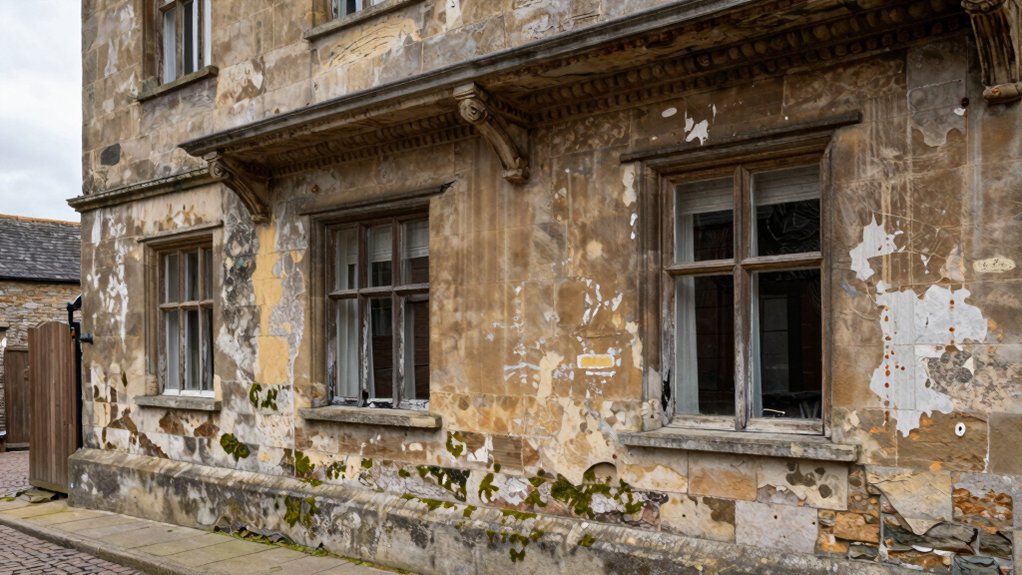
Before you start refurbishing a listed building, you should understand its heritage significance, fabric, and legal protections. Assess original materials, construction methods, and structural limits with care. Identify who owns alteration rights and what permissions you’ll need. Engage a heritage consultant early, document existing conditions, and cost and schedule implications. Coordinate with the local planning authority and conservation officers, and pursue a cautious, reversible approach that respects the building’s character—because missteps can be costly, visible, and difficult to reverse.
Understanding What “Listed” Means for Your Property

Listed status identifies a building or structure that has been designated as having special architectural or historic interest and is protected by law. You view your property through a regulatory lens, recognizing that designation governs alterations, repairs, and use.
Compliance hinges on understanding the listing’s scope, which may cover exterior fabric, interiors, fixtures, or a combination thereof. You’ll encounter potential constraints tied to preservation objectives, documented by local authorities and conservation bodies.
Before moving, assess whether changes align with approved processes and essential preservation principles. Architectural styles inform what counts as appropriate intervention, while interior design decisions must respect original layouts, detailing, and materials where required.
You should engage early with professionals, documenting plans, and prioritizing reversible, minimally invasive methods to safeguard value and historic integrity.
Identifying the Historic Value and Fabric of the Building
You assess the historic value by considering clear indicators such as historic significance, rarity, and context within the building’s era.
You then apply fabric assessment methods to map original materials, construction techniques, and later alterations that contribute to authenticity.
You proceed with a cautious, technical approach to document findings and guide preservation decisions.
Historic Value Indicators
What concrete indicators reveal the historic value and fabric of a listed building? You’ll assess documented records, such as listing entries, original plans, and archival photographs, to establish historic significance and context.
Look for intact or repair-replaced materials, construction techniques, and visible evidence of period interventions that meaningfully reflect the building’s evolution. Identify distinctive architectural features—cornices, mouldings, doorways, windows, stairs—that contribute to its character and warrant preservation.
Note any fabric that demonstrates continuity of use, stylistic alignment, or regional vernacular merit. Exercise caution: document uncertainty and avoid assuming cause or period without corroborating sources.
Your focus remains on securing informed judgments about value, guiding lawful preservation priorities, and informing later design decisions without overstepping archival conclusions or implying future fabric changes.
Fabric Assessment Methods
Fabric assessment methods for identifying historic value and fabric rely on a systematic, evidence-based approach. You locate, record, and interpret material traces to distinguish original construction from later alterations.
You’ll employ visual surveys, detailed mapping, and non-destructive testing to minimize harm while documenting condition. Shortfalls in records prompt you to corroborate with historic documentation, physical inspection, and provenance research.
You assess material quality, joinery, craftsmanship, and later insertions to gauge significance within building preservation criteria. Always calibrate findings against the building’s context, design intent, and any statutory protections.
Document clearly, stating limitations and confidence levels, so decisions remain transparent. Your approach informs compliant restoration strategies, risk mitigation, and future stewardship, ensuring sensitive interventions align with preservation ethics and civic obligations.
Knowing Who Owns the Rights to Alterations
Determining who holds the rights to alterations is essential before any work begins on a listed building. You must identify owners and any third parties with legal interests, since ambiguity can derail approvals and trigger disputes.
Begin by checking title deeds, restrictive covenants, easements, and any existing licenses that may affect alteration rights. Your due diligence should extend to the property’s planning history, and any archival agreements tied to the site’s stewardship or guardianship.
Clarify whether consent from multiple owners or trustees is required, and document who’s authority to grant permissions. You’ll also evaluate whether the alterations implicate conservation covenants or heritage protections that modify ownership duties.
Always confirm current status of ownership rights and legal permissions before drafting any refurbishment plan.
The Role of Heritage Consultants in Planning
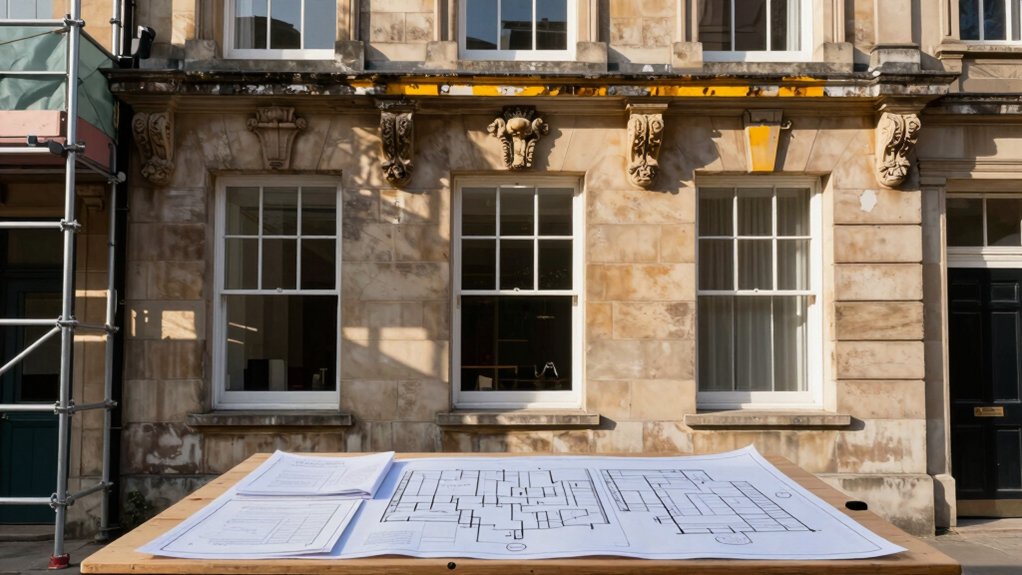
Heritage consultants guide your project through planning intricacies, balancing conservation aims with regulatory requirements.
You’ll consider their roles in liaising with planning authorities, identifying heritage constraints, and shaping applications to address nuanced permissions.
This discussion starts with recognizing how their expertise intersects with planning permission nuances and project feasibility.
Roles of Heritage Consultants
The role of heritage consultants in planning centers on evaluating significance, guiding appropriate interventions, and ensuring compliance with statutory and policy requirements. You assess historic value, identify constraints, and establish a framework to balance preservation with practical needs.
In this capacity, you review proposals for fit with established conservation principles and renovation standards, flagging potential risks to fabric and setting. You provide method statements, strengthen design rationale, and document decisions to support transparent submissions.
You coordinate with project teams, developers, and planning authorities to align objectives with regulatory expectations while preserving character. You must articulate the heritage impact of proposed changes and recommend mitigation where necessary.
Your work emphasizes rigorous assessment, traceable reasoning, and cautious progression through planning procedures.
Planning Permission Nuances
Planning permissions hinge on how heritage concerns are described, balanced, and defended in submissions. As you navigate planning processes, you’ll rely on heritage consultants to translate conservation principles into actionable proposals. They assess how modern extensions may affect significance, ensuring design remains proportionate and reversible where possible.
You’ll want clear justifications for any interior redesign, detailing materials, finishes, and alignment with historic fabric. The process emphasizes evidence over aspiration, with typically required impact statements, alternatives, and mitigation measures.
Expect early pre-application engagement to flag constraints and opportunities. Your heritage advisor reviews drawings for compatibility with setting, scale, and rhythm of surrounding historic buildings, and coordinates responses to planning authority queries.
Precise documentation reduces delays, clarifies expectations, and strengthens your project’s compliance trajectory.
Navigating Permits and Approvals: What You Need to Seek
Managing permits and approvals for a listed building can be a meticulous process, but understanding the required steps early helps prevent costly delays. You’ll need to identify the appropriate authorities, typically planning departments and heritage bodies, and prepare a clear timeline for submissions.
Begin with a detailed description of proposed work, including drawings, specifications, and justification for any deviations from existing features. Your submission should reference architectural styles to demonstrate compatibility with the building’s character and era.
Confirm which works are considered exempt, and which require formal consent under Building codes and planning policies. Expect potential consultations and requests for amendments; respond promptly with revised documentation.
Maintain a meticulous record of approvals, conditions, and deadlines to avoid inadvertent noncompliance.
Assessing Structural and Material Constraints
When evaluating a listed building, you must identify structural constraints that could limit alteration options and loading changes.
Consider how material compatibility affects performance, ensuring new elements integrate with existing structural systems without compromising safety.
Begin with cautious, targeted questions about load paths, connection details, and the interaction of original and replacement materials.
Structural Constraints
Structural constraints require a careful appraisal of how the building’s fabric carries loads, resists movement, and interacts with existing materials. You assess load paths, survivability of timber frames, masonry joints, and mortar compatibility, noting any signs of distress. Document how structural rhythms align with architectural styles, and identify hidden weaknesses that could affect stability during works.
Consider settlement patterns, lateral resistance, and long-term performance under vibration from modern interventions. You must distinguish between historic fabric and later insertions, evaluating their combined behavior under new loads. Prioritize non-destructive investigation methods and precise monitoring.
Develop a constraints-led brief that informs design decisions, sequencing, and risk mitigation, ensuring opportunities for sympathetic reinforcement while preserving character. Communicate findings clearly to designers, conservators, and statutory bodies without delaying approval processes.
Material Compatibility
Evaluating material compatibility requires a cautious, evidence-based approach to guarantee that new interventions integrate with the building’s existing fabric. You assess how substrates, finishes, and supports respond to shared loads, moisture regimes, and thermal expansion, avoiding mismatch-driven distress.
Begin with a diagnostic of historic materials, construction methods, and adjacent restorations, documenting composition, porosity, and alkalinity. Select preservation techniques that minimize alteration to original performance, favoring reversible or compatible interventions.
Consider durability, respiratory behavior, and capillary action to prevent condensation and decay. Laboratory tests, compatibility histories, and in-situ monitoring guide your decisions, with emphasis on joint behavior, coatings, and fasteners.
Document rationale for material choices, potential interactions, and anticipated lifecycle impacts to ensure ongoing preservation and structural harmony.
Planning Sustainable and Sensitive Upgrades
Planning sustainable and sensitive upgrades requires a clear assessment of constraints, opportunities, and unintended impacts on the building’s fabric. You’ll map structural, historical, and occupancy factors to determine feasible interventions, avoiding overreach.
Prioritize minimal intervention techniques that preserve original craftsmanship while improving performance. Use a staged approach: document existing fabric, test for compatibility, then select options that harmonize with later historic preservation goals.
Prefer reversible or removable methods where possible, and document all decisions for future maintenance. When choosing materials, favor sustainable materials that meet durability and low embodied energy criteria without compromising historic character.
Assess ventilation, moisture management, and thermal performance to reduce risks to timber, plaster, and masonry. Communicate plans with stakeholders early to prevent conflict and delays in execution.
Managing Costs and Timelines to Avoid Setbacks
To manage costs and timelines effectively, you should establish a clear project baseline early, then monitor progress against it with disciplined change control. You set measurable targets for scope, budget, and milestones, and document assumptions to prevent scope creep.
Use a phased approach, prioritizing critical path activities and securing approvals before proceeding. Track procurement lead times, site access, and weather sensitivities that could delay tasks.
Implement a robust change-control process, evaluating cost and schedule impact of any variation before authorizing it. In design work, appraise options for modern lighting and landscape design against performance, durability, and maintenance requirements to avoid future retrofit costs.
Maintain contingency reserves and regular progress reporting to stakeholders, ensuring alignment with regulatory constraints and heritage sensitivities. Continuous risk assessment minimizes costly delays and keeps the project on track.
Engaging the Local Planning Authority and Conservation Officers
Engaging with the Local Planning Authority and Conservation Officers requires a structured, proactive approach. You’ll establish early contact to outline project scope, timeline, and potential constraints, avoiding ambiguity that could hinder approvals.
Prepare concise summaries of proposed works, anticipated impacts, and any deviations from listed-building norms, referencing relevant guidance and precedents.
Prioritize clear, factual documentation and be ready to adjust plans in response to official feedback.
Engage in open dialogue about community engagement, listening to local concerns and incorporating suggestions where feasible, while maintaining project integrity.
Be mindful of legal considerations, including consent conditions, permitted changes, and retrofitting limits.
Document decisions and resubmit when required, ensuring compliance without compromising the building’s character and heritage value.
Documenting Your Refurbishment: Recording Changes and Impacts
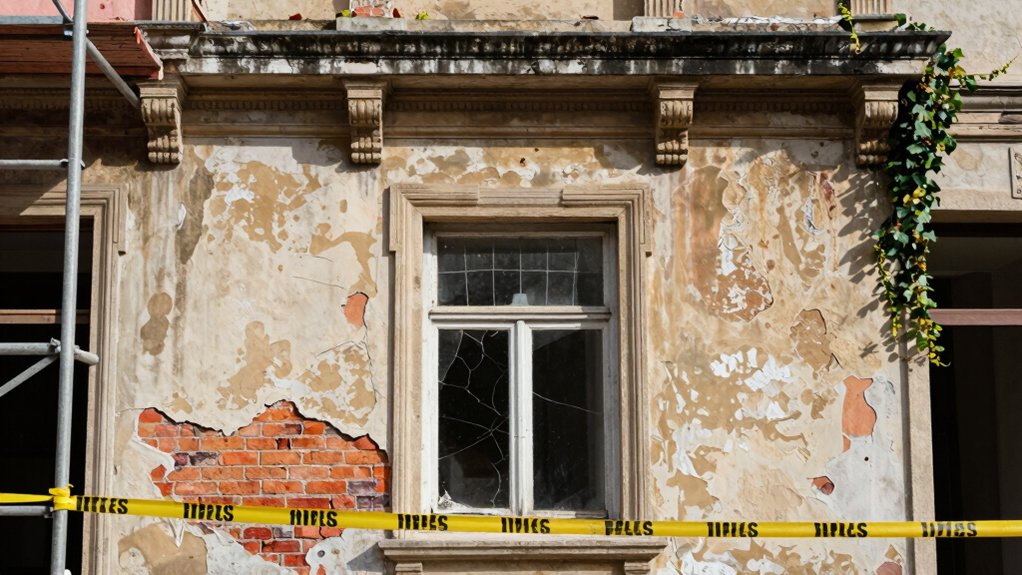
Documenting your refurbishment requires systematic record-keeping of every alteration and its anticipated or actual impact. You’ll compile a clear, date-stamped log of changes, noting why each decision was made and how it aligns with historical context.
Use precise descriptions for materials, methods, and locations, avoiding ambiguous language. Record any deviations from original plans, along with approvals or objections raised by authorities. Track the condition of existing fabric before, during, and after work to assess preservation outcomes.
Include high-resolution photographs, drawings, and material samples where feasible. Emphasize historical significance in your notes, linking interventions to preservation techniques and best practices.
This disciplined documentation supports accountability, future maintenance, and transparent decision-making for stakeholders.
Balancing Personal Vision With Respect for the Building’s Character
Balancing personal vision with respect for the building’s character requires a disciplined approach: you must define your design intent while anchoring decisions to the existing fabric, historical rationale, and preservation priorities.
You focus on compatibility over novelty, evaluating how proposed changes affect structural rhythms, joinery, and key architectural details. When selecting architectural styles, you prefer restrained evolution that respects proportion, material palette, and inherited patina, avoiding conspicuous or era-incongruent features.
In interior design, you prioritize reversible interventions, documented alterations, and clear traces of the building’s history. You document decisions with justification linked to Conservation Principles, ensuring compliance with approvals.
Regularly reassess whether adjustments advance or undermine the ensemble. This cautious stance minimizes irretrievable loss while enabling thoughtful, purposeful enhancements aligned with the listed building’s character.
Frequently Asked Questions
What Rights Do I Have to Modify Historic Fabric?
You have limited rights to modify historic fabric; you must obtain architectural conservation approvals and planning permissions, justify alterations, and follow conservation principles. You’ll need expert assessments, avoid irreversible changes, and comply with statutory protections and documented guidelines.
How Will Listed Status Affect DIY Renovations?
Listed status constrains your DIY renovations: you must follow building regulations and preservation guidelines, seek consent for alterations, and expect approvals before changes. You’ll plan meticulously, avoiding risky improvisation while documenting work to satisfy reviewers and inspectors.
Can Interior Changes Require Permissions Separate From Exterior?
Yes, interior changes can require permissions separate from exterior work. You must consult building regulations and potential planning permission requirements, because interior alterations may affect listed status, structural integrity, or historic features, triggering approvals before proceeding.
Are There Grants or Incentives for Listed-Building Work?
Yes, you can access heritage grants and conservation incentives, though eligibility is precise. You’ll need to document listed-status impacts, project benefits, and sustainability gains, submitting careful proposals; your financing mix should reflect compliance, safeguards, and ongoing maintenance commitments.
How Do I Hire a Qualified Heritage Professional?
To hire a qualified heritage professional, you should consult heritage guidelines and conservation standards, verify credentials, and review project portfolios; engage a conservator or archaeologist with licensure, insurance, and a clear methodological plan before proceeding.
Conclusion
You stand at the doorway between past and present, where every decision is a keystone. Let caution be your compass and documentation your map, guiding you through permissions, fabric, and fit. Respect for the building is the frame; your plan, the light within it. When in doubt, consult, record, and reverse gently if needed. The goal isn’t ownership alone, but stewardship—preserving the structure’s memory while securing its future for others to pass through.