
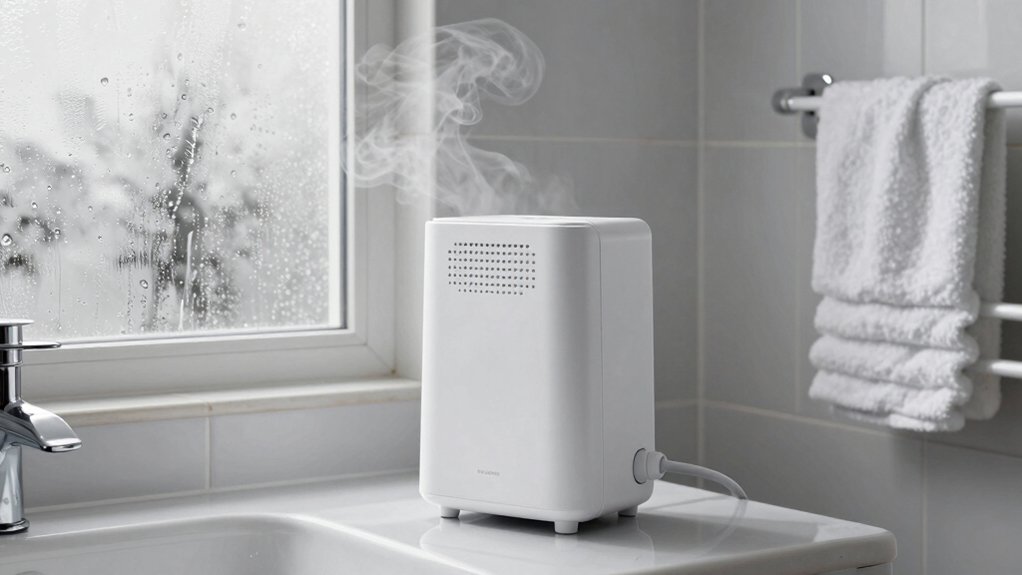
Picture moisture condensing like a pale fog on a cold window, and you’re left weighing risk versus cost. If humidity spikes or temp swings trigger condensation on enclosures, cabinets, or sensitive gear, an anti-condensation heater can prevent corrosion, mold, and downtime. But it adds electricity use and requires some upkeep. Consider your space, assets, and how critical moisture control is before deciding. Want to weigh the long-term savings against ongoing costs?
How Anti-Condensation Heaters Work
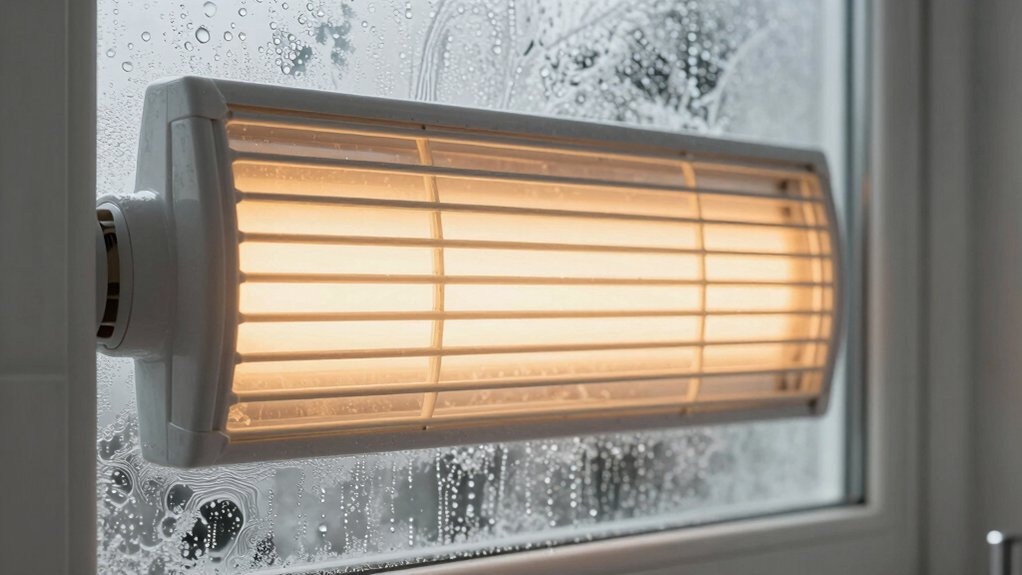
Anti-condensation heaters prevent moisture from forming on cold surfaces by keeping the surface temperature just above dew point. You install a heater element or pad to one side of the target surface, then connect it to a control circuit. The unit senses ambient humidity and surface temperature, then applies heat to raise the surface above dew point, stopping condensation at the source.
In practice, you choose a power rating that matches surface area and enclosure insulation, preventing thermal lag. A thermostat, humidity sensor, or inline controller modulates output, maintaining a narrow temperature margin without overheating.
Materials matter: low-thermal-mass elements respond quickly, while reflective surfaces reduce radiant losses. Ascertain proper sealing and drainage to prevent trapped moisture. Regular checks verify temperature, humidity, and fault indicators.
Ideal Scenarios for Use
Ideal use cases for anti-condensation heaters center on enclosures and surfaces prone to rapid humidity changes or temperature drops. You’ll deploy them where moisture condenses on glazing, metal panels, or instrument housings, especially during cold starts or sudden ambient shifts.
In electrical cabinets, panels, and data enclosures, these devices prevent corrosion, short circuits, and fogging that obscures readings. Consider greenhouses and refrigerated spaces when humidity spikes meet cooler surfaces near doors or vents.
Industrial equipment with glass fronts, camera housings, or sensor ports benefits from stable surface temperatures to maintain accuracy. Choose a model with appropriate wattage, control logic, and enclosure rating to suit the environment.
Install where airflow circulates around critical surfaces, ensuring even heat distribution and reliable performance. Regular maintenance confirms continued efficiency.
Pros and Cons to Consider
When weighing anti-condensation heaters, you’ll trade upfront costs and power draw for moisture control and reliability, so assess both the operational benefits and the ongoing expenses.
You gain constant humidity management, reduced condensation risk, and fewer cold spots that can corrode or mold; these are practical reliability advantages.
On the downside, expect higher electricity use, potential oversizing if placed near heat sources, and the need for periodic maintenance like cleaning sensors or vents.
Consider room size, insulation, and ventilation to determine load.
Controls and integration with existing thermostats add complexity and potential compatibility issues.
If humidity swings are infrequent or you already have well-insulated spaces, benefits may be marginal.
Weigh long-term savings against purchase price and ongoing energy costs before committing.
Installation, Costs, and Energy Use
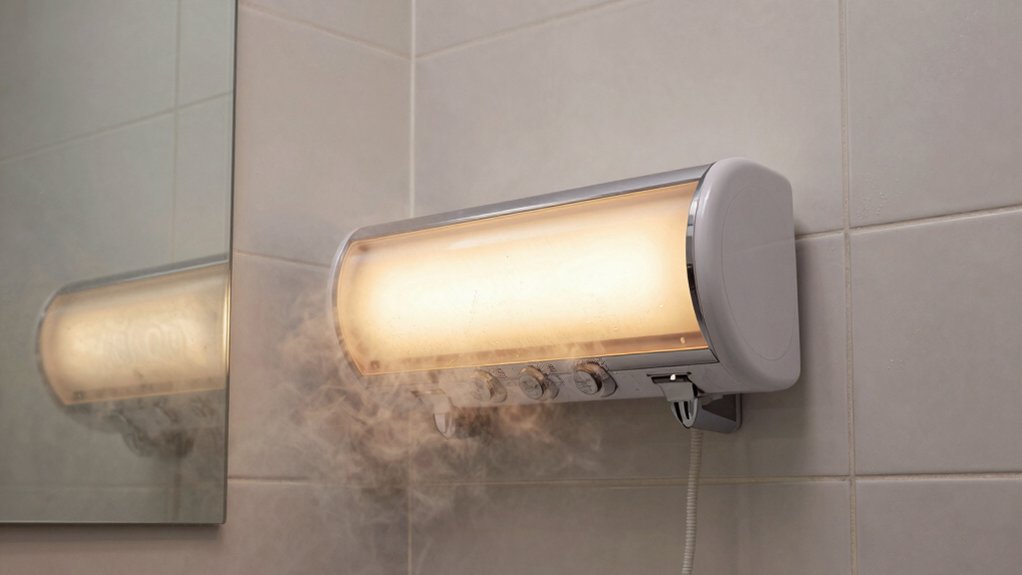
Installing an anti-condensation heater involves balancing upfront costs with ongoing energy use, so plan for both the purchase price and the long-term electricity bill. You’ll evaluate installation options based on room size, insulation, and existing electrical circuits.
Choose a model with appropriate wattage and a thermostat or humidity sensor for automatic control to avoid waste. Wiring must comply with local codes; keep clearance and ventilation requirements in mind to prevent overheating.
Expect higher upfront costs for quality units, but lower operating costs with efficient, modern controls. Realistically project annual energy consumption by multiplying rated wattage by daily runtime and local electricity rates.
Factor in potential rebates or incentives. Maintenance is minimal but verify proper mounting, seals, and sensor placement during initial setup to ensure reliable performance.
Maintenance and Reliability
Maintenance and reliability hinge on steady operation and predictable performance. You should schedule regular inspections of seals, vents, and controls to prevent buildup and drift.
Verify thermostat sensing and any humidity or CO2 probes for accuracy, and recalibrate as needed.
Clean intake grilles and heat exchanger surfaces to maintain airflow; obstructed paths raise energy use and reduce effectiveness.
Test automatic shutoffs and fault indicators monthly, replacing worn fuses or resistors promptly.
Use manufacturer-recommended cleaners and avoid abrasive scrubs that could damage coatings.
Keep power connections tight and protected from moisture; store units in proper indoor environments to minimize corrosion.
Document all maintenance tasks and any component replacements, and monitor performance trends.
A proactive maintenance routine maintains performance margins and reduces unexpected failures.
Conclusion
If you’re unsure, imagine your space as a ship docked in fog. An anti-condensation heater is the heat, a steady lighthouse beam that keeps decks dry and safe. It costs fuel and care, yet it prevents rusted fittings and soggy gear from mutinying your operations. In humid harbors, you’ll sleep easier knowing the hull’s dry. Decide if the voyage—reliability, fewer outages, protected assets—outweighs the ongoing fuel and maintenance you’ll skim through.