
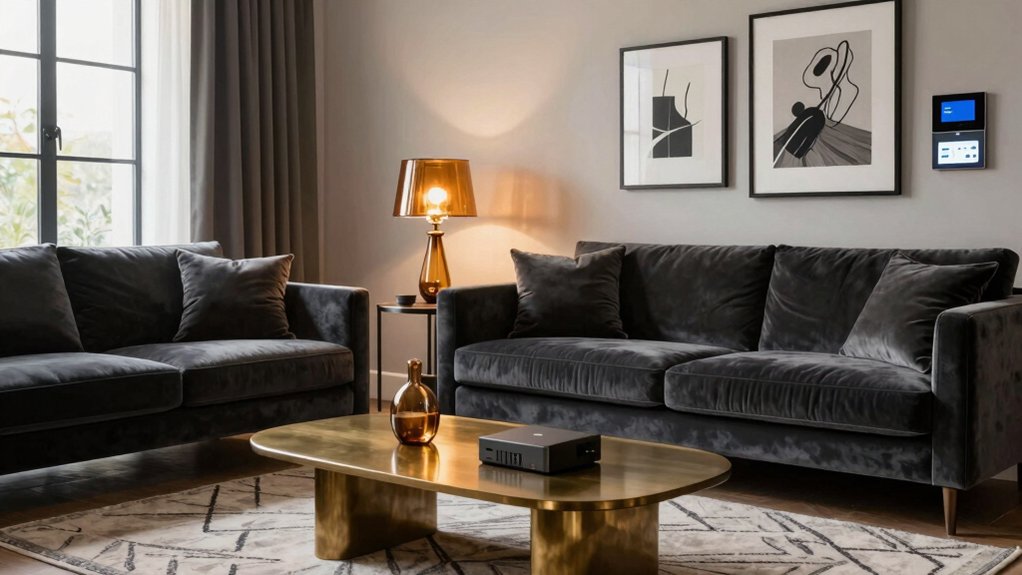
Interior designers handle the whole process, so you don’t lift a finger. They start with a clear design brief and concept, translating your goals into a cohesive plan. They map smart layouts, optimize traffic flow, and pick multi-functional pieces that fit your space. They source, budget, and negotiate, balancing quality with value. They craft lighting mood with layers and color temperature, then manage every install, timing, and styling detail. Keep going to uncover more ways they can help.
The Design Brief and Concept Development

The design brief is your project’s compass, guiding every decision from color to budget. You define goals, scope, and constraints upfront, so later choices stay aligned.
As you articulate room function, mood, and audience, you establish measurable success criteria, avoiding scope creep.
Concept development translates those goals into tangible options you can compare quickly. You’ll explore color schemes that set tone and practicality, then test how each concept aligns with lifestyle needs and resale value.
You consider lighting, materials, and textures in harmony with the budget, ensuring feasibility before any mockups.
Throughout, you evaluate furniture selection for scale, proportion, and flow, choosing pieces that reinforce the concept.
With a solid brief and fresh concepts, you present a clear path forward that minimizes revisions and maximizes impact.
Space Planning and Layout Optimization
You’ve defined the goals and concept; now you shape how the room actually works. Space planning and layout optimization isn’t decoration for decoration’s sake; it’s function you can perceive. You map zones, designate furniture arrangement thoughtfully, and ensure every piece earns its place.
Start with traffic flow: envision clear paths that don’t interrupt activities, doors, or sightlines. Then anchor focal points and align furniture to create balanced, inviting areas. Consider scale, proportion, and clearance—twenty-four inches around seating, bar-height counters distinct from living zones, and rug boundaries that ground spaces.
Use multi-function pieces to reduce clutter without compromising comfort. Don’t overlook ergonomics: seating height, table reach, and appliance placement affect daily ease. The result: a room that looks purposeful, moves smoothly, and supports your lifestyle with effortless precision.
Sourcing, Budgeting, and Vendor Negotiation

Sourcing, budgeting, and vendor negotiation aren’t afterthoughts; they’re the backbone of a design that delivers on time and on budget. You’ll streamline decisions by framing a clear scope, timelines, and cost ceilings upfront.
Material sourcing becomes smarter when you compare options, gauge durability, and anticipate lead times, so you avoid delays and surprises. You’ll prioritize value over cheapest price, balancing quality with long-term performance.
In vendor negotiation, you stand firm on terms, warranties, and delivery milestones, while remaining open to alternatives that meet your standards. Clear communication, documented approvals, and phased payments keep momentum intact.
Lighting Design and Mood Creation
Crucially, lighting shapes mood as much as color and layout do. You’ll see how ambient illumination transforms spaces before you notice decor.
The right mix of ambient, task, and accent lighting sets tone, guides focus, and affects how you perceive scale. Start with a baseline color temperature that matches the room’s purpose: warm for coziness, cool for clarity, and balanced for multipurpose areas.
You’ll fine-tune brightness to avoid harsh shadows or flatness, using dimmers to shift atmosphere across moments and tasks. Layer lighting to create depth—soft ceiling light, targeted task lighting, and subtle highlights on art or texture.
You manifest mood through consistency in fixtures, finish, and placement, ensuring the space feels intentional, comfortable, and visually cohesive.
Project Management From Install to Styling
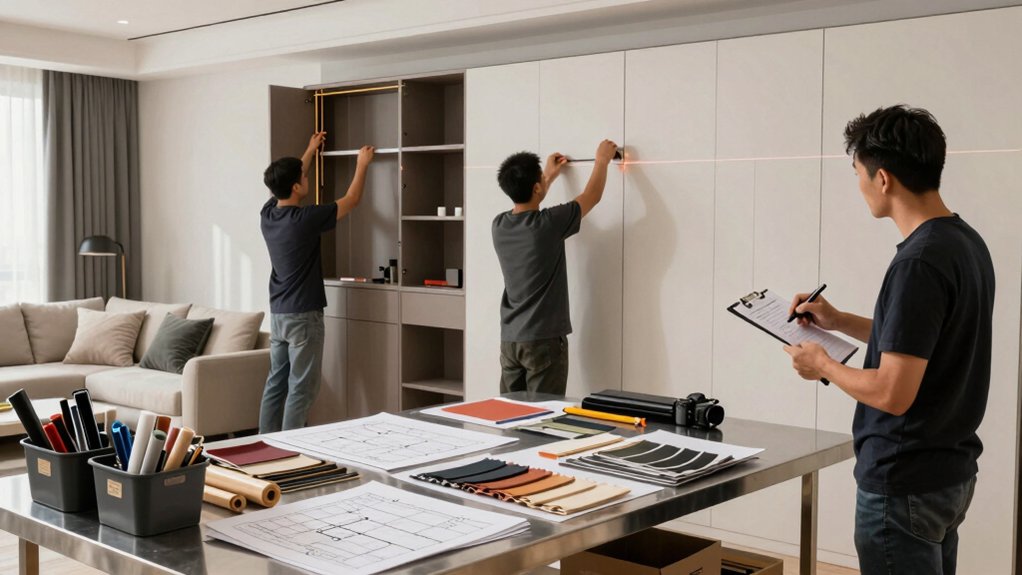
From the moment you move from design concepts to execution, project management anchors your vision in reality. You’ll translate plans into schedules, orders, and on-site actions, keeping momentum while avoiding drag.
Contract coordination ensures vendors, trades, and installers align on scope, timelines, and budget, so surprises stay minimized and accountability is clear. You coordinate deliveries, confirm measurements, and reconcile any changes with minimal disruption to the timeline.
Client communication stays proactive and transparent, so expectations aren’t just met but managed throughout every phase.
On installation days, you oversee punch lists, quality checks, and secure staging, then guide styling decisions to preserve the look you envisioned.
The result is a seamless progression from concept to curb appeal, with a polished, cohesive finish you can confidently stand behind.
Conclusion
You won’t chase ideas alone, you’ll refine them with a trusted partner. You won’t settle for safe corners, you’ll chase bold moments. You won’t juggle chaos, you’ll orchestrate clarity. You won’t spend hours sourcing, you’ll access vetted vendors and smart budgets. You won’t guess at lighting, you’ll sculpt mood with purpose. You won’t endure delays, you’ll glide through installs and styling. You won’t DIY the finish, you’ll elevate every room with confidence and ease. You’ll love the space you live in.