
Interior designers save you money by planning smartly and buying strategically. Start with smart space planning to maximize every square foot and reduce costly detours. Choose durable, cost-per-use materials and push for modular, timeless options to curb future replacements. Use phased renovations to protect cash flow, paired with integrated project management to cut miscommunication and delays. Rely on design systems and vendor negotiations to lock in stable costs and discounts. If you keep going, you’ll uncover even more money-saving tactics.
Smart Space Planning to Maximize Every Square Foot
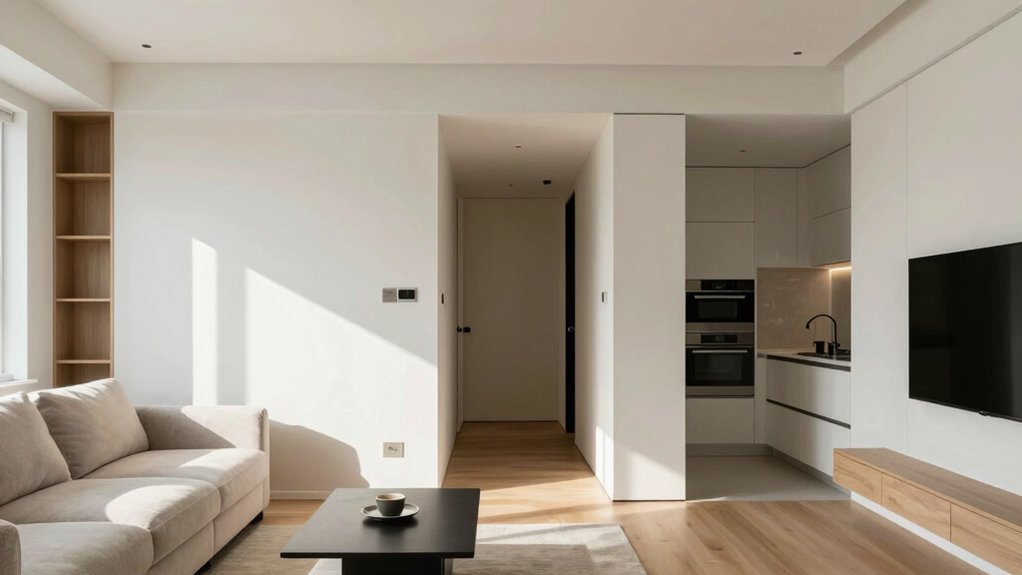
Smart space planning turns tight rooms into functional zones without expanding the budget. You’ll map activities to zones, prioritizing circulation and purpose over mere square footage. Start with a clear grid: identify primary functions, then align pathways to minimize detours. This forces you to address space utilization from the ground up, revealing underused corners and prioritizing essential furniture.
Consider sight lines and task lighting to reduce clutter and distractions, letting you accomplish more with less. Choose furniture placement that doubles as storage—benches with bins, or wall-mounted consoles—so every piece earns its keep. Favor dual-purpose items and scaled silhouettes to preserve openness while maintaining utility.
Budget-Conscious Material Selection Without Sacrificing Style
You’ll evaluate cost-effective materials that don’t skimp on performance or style.
By prioritizing durable, stylish options and strategic sourcing tricks, you’ll balance cost with long-term value.
This approach keeps spaces cohesive while protecting your budget.
Cost-Effective Materials
Are you getting the most value from your material choices without compromising style? In this phase, you assess cost per use, not just sticker price. Prioritize materials with proven performance in real-world conditions, balancing upfront spend with long-term savings.
Compare alternatives by lifecycle cost, maintenance needs, and installability to avoid hidden fees. Favor suppliers that offer warranties and scalable quantities to reduce waste. Seek mid-range options that deliver similar aesthetics to premium choices, then test samples for color and texture stability under lighting and humidity.
For sustainability without extra cost, favor material durability and eco-friendly options that resist wear. Document tradeoffs, quantify savings, and align selections with project goals for a sharper budget trajectory.
Durable Yet Stylish Choices
Durable yet stylish materials balance long-term performance with immediate visual impact, letting you meet design goals without inflating the budget. You evaluate options by lifecycle costs, not just upfront price, ensuring you select assets that resist wear while remaining appealing.
Prioritize sustainable materials that reduce maintenance and environmental impact, such as recycled or responsibly sourced composites, which often offer comparable aesthetics to pricier upgrades. Blend these with classic finishes—like porcelain, quartz, or solid surfaces—that withstand daily use and cleaners without frequent replacement.
Consider vintage finds for unique texture and story, refurbishing instead of replacing when feasible. Simultaneously, avoid trendy fads that quickly date your space. Favor timeless silhouettes and adaptable colors to preserve value, then tailor textures through accessories to refresh without heavy expenditures.
Strategic Sourcing Tricks
Strategic sourcing hinges on matching material performance with cost control, so you prioritize options that deliver lasting value rather than the lowest sticker price. You assess lifecycle costs, durability, and maintenance needs, then compare alternatives that meet performance specs without inflating budgets.
This means prioritizing material sourcing choices that balance quality and price through clear criteria, such as warranty terms, availability, and scalability across projects. You favor modular, timeless designs over trendy looks that spike replacement costs.
Vendor negotiations are central: you request volume discounts, explore alternative suppliers, and verify lead times to avoid cost overruns. You document tradeoffs transparently, so decision-making remains data-driven.
Strategic Sourcing: Finding Quality Alternatives at Lower Costs
When you pursue strategic sourcing, you’ll identify quality alternatives that meet project specs at lower costs by evaluating total value—not just list price. You’ll compare materials, finishes, and durability across suppliers, prioritizing long-term performance over upfront savings.
Track lifecycle costs, including maintenance, shipping, and lead times, to avoid hidden expenses that erode budgets. A systematic approach helps you reveal true value without sacrificing design goals, so you can preserve color continuity and overall aesthetic.
Consider furniture placement and space planning to optimize use of fewer, higher-value pieces rather than oversized, costly items. Seek alternatives that align with color schemes, ensuring cohesive visuals while reducing waste.
Document decisions with clear criteria to justify savings and maintain project momentum.
Vendor Negotiation Tactics That Drive Down Prices

Vendor negotiations hinge on clear intent and data-driven leverage; you should start with a precise scope, verified specs, and a reality check on market pricing to identify real savings opportunities.
You approach vendors with a fact-based posture, not emotion, comparing quotes side by side. Use multiple sourcing to create competitive pressure and reveal true margins.
Clear targets, such as unit costs, delivery windows, and after-sale terms, sharpen your bargaining stance.
Apply negotiation strategies like bundle pricing, volume discounts, and phased commitments to *unseal* favorable terms without sacrificing quality.
Document assumptions, hold dates, and decision criteria to avoid scope creep.
Maintain transparency about alternatives to avoid deadlocks, and preserve a collaborative tone that sustains vendor relationships while pursuing measurable savings.
This disciplined method boosts vendor tactics and outcomes.
Phased Renovations to Protect Cash Flow
You can protect cash flow by phasing renovations instead of tackling the entire project at once. A phased approach lets you allocate funds to each stage, validating scope before committing more capital.
Start with essential updates that improve daily use and resale value, then schedule cosmetic upgrades later, aligning work with seasonal costs and supplier incentives.
Track cash flow by separating project costs into discrete line items, so you see precisely when money leaves the business and where savings arise.
Use a staged timeline to negotiate flexible payment terms with vendors, reducing upfront exposure.
Prioritize high-impact changes that release savings in energy, maintenance, and utility bills, then reserve funds for contingency, not expansion.
This disciplined sequencing preserves liquidity while sustaining momentum toward your overall design goals.
Timeline Optimization to Avoid Expensive Delays
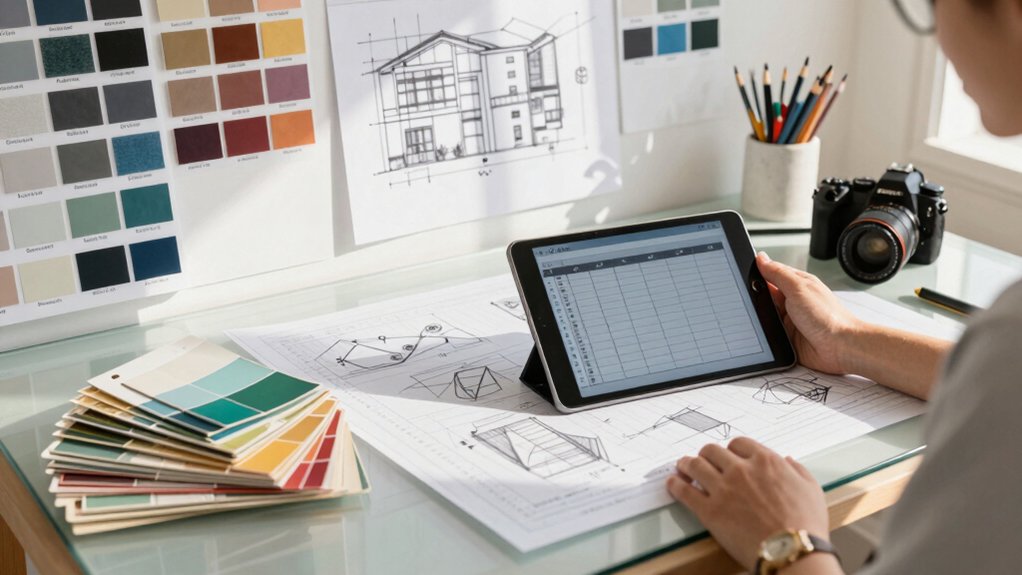
You should map clear Preproject Milestones to lock in decision points and budgets before work begins.
Use Buffer-Timeline Strategies to absorb inevitable hiccups without blowing the schedule or the bottom line.
This discussion prioritizes disciplined planning, cost control, and proactive risk management to prevent pricey delays.
Preproject Milestones
Preproject milestones set the pace and protect the budget by identifying timing risks before work begins. You map critical dates, permit lead times, and contractor availability to align procurement with design phases. This foresight minimizes idle labor, late-material penalties, and rushed decisions that inflate costs.
You quantify dependencies, such as delivery windows and power-off allowances, then build in contingency windows that don’t derail the schedule. By prioritizing space utilization, you ensure each square foot supports function before beauty, reducing rework after construction starts.
You maintain aesthetic coherence by locking in finish samples and color approvals early, preventing last-minute substitutions. The result is a lean timeline that supports predictable cash flow, synchronized trades, and fewer budget shocks, enabling disciplined decision-making throughout the renovation.
Buffer-Timeline Strategies
Buffer-timeline strategies focus on absorbing uncertainty before it spikes costs. You build timetable slack into critical phases, so minor delays don’t ripple into expensive overages. Start with timeline buffers at key handoffs, allowing QA, permits, and deliveries breathing room without triggering crunches.
You pace work based on reliable throughput metrics, not optimistic fantasies, and you schedule contingency windows after long-lead items. By aligning procurement with realistic lead times, you reduce last-minute substitutions that inflate material prices.
Track potential bottlenecks—trades, inspections, approvals—and pre-authorize alternate crews or suppliers to maintain momentum. This project pacing lowers risk, preserves budget integrity, and keeps timelines credible.
In practice, you routinely adjust buffers as data accumulates, preserving cost control and decision clarity.
Design Systems That Cut Rework and Waste
Design systems that cut rework and waste start with a precise, scalable framework: they standardize components, patterns, and documentation so teams aren’t redoing the same work. You’ll gain consistency across projects, reducing costly substitutions and last‑minute changes.
By codifying assemblies, finishes, and measurements, you avoid duplicate specs and delays from misaligned vendors. This is a budget‑savvy move: fewer change orders, faster approvals, and clearer cost tracking.
Embrace modular furniture and color palettes as core assets—predefined options streamline decisions without sacrificing style. A strong design system elevates collaboration between architects, contractors, and suppliers, limiting waste from mismatches.
Track performance with metrics on rework hours, material utilization, and lead times to tighten future forecasts. With disciplined governance, you convert design intent into reliable, repeatable outcomes that save time and money.
Integrated Project Management for Smooth Coordination
Integrated Project Management sidesteps chaos by aligning schedules, budgets, and responsibilities from Day One. You’ll map milestones, assign tasks, and establish decision gates so everyone follows the same playbook. This clarity minimizes delays, rework, and last-minute surprises, helping you keep coverages, permits, and deliveries on track.
You’ll rely on collaborative communication to surface risks early, quantify tradeoffs, and adjust priorities without derailing the budget. By centralizing updates through a single platform, you reduce duplication and miscommunication across designers, contractors, and vendors.
You’ll also cultivate vendor relationships that prioritize reliability, transparent pricing, and timely feedback loops, lowering change-order costs. The result is a predictable flow from concept to completion, enabling smarter procurement, negotiated discounts, and fewer surprise charges—exactly what keeps renovations affordable without sacrificing quality.
Hidden Savings Through Proper Lighting and Fixtures
Hidden savings start with lighting logic: right-sizing fixtures, choosing efficient LEDs, and layering light to reduce the need for excessive wattage. You’ll measure coverage, avoiding underlit and overlit zones, so every lumen serves a purpose.
Lighting efficiency matters because smaller, smarter systems cut ongoing costs without sacrificing function. Prioritize fixtures that align with room function and natural daylight, then upgrade strategically rather than all at once.
Fixture upgrades should target high-usage areas first—task lighting for workspaces, ambient layers for mood, and daylight-compatible controls to curb wasted energy. Opt for dimming, motion sensing, and programmable schedules to prevent drift from ideal settings.
A disciplined approach preserves resale value while preventing overload, helping you stay within budget and achieve consistent performance across spaces.
Value-Driven Styling: Getting the Look You Love for Less
Want the look you love without blowing the budget? Value-driven styling centers on strategic choices that maximize impact with limited spend.
Start by evaluating rooms for high-visibility changes, then target décor that delivers perceived value through scale, proportion, and finish quality. You’ll optimize furniture placement to create functional zones, boost flow, and highlight key focal points without adding bulk.
Prioritize color schemes that unify space and reduce the need for frequent refreshes; one cohesive palette lowers costs and complication during pairings. Invest in timeless core pieces and let accessories do the heavy lifting, swapping textiles and art seasonally for updates at a lower price point.
This disciplined approach yields a polished look while maintaining budget discipline and resale resilience.
Conclusion
You’ll see the line items shrink when you plan with purpose and think like a strategist. By sizing spaces, choosing durable, affordable materials, and sourcing smarter, you curb waste before it starts. Negotiate, phase projects, and enforce design standards to prevent rework—and your budget stays intact. Think of the project as a puzzle you fit together piece by piece, each decision a deliberate cut that edges you closer to the look you want without overspending.