
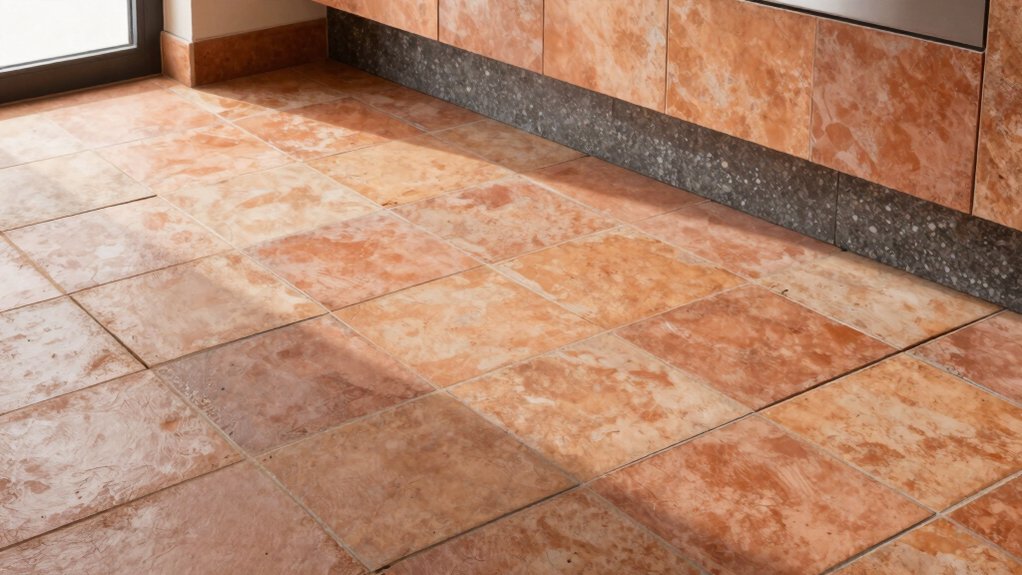
Like a stubborn old compass, Saltillo tile points you toward warmth and character for your kitchen, yet its care demands a methodical approach. You’ll want proper sealing and regular maintenance to guard against stains and moisture, while acknowledging its porous nature under heavy use. It’s durable enough for everyday pots and spills, but you’ll balance that with routine upkeep and subfloor considerations to keep the look steady and the performance reliable. The question remains: can you commit to the routine?
Durability and Longevity of Saltillo Tile in Kitchen Spaces
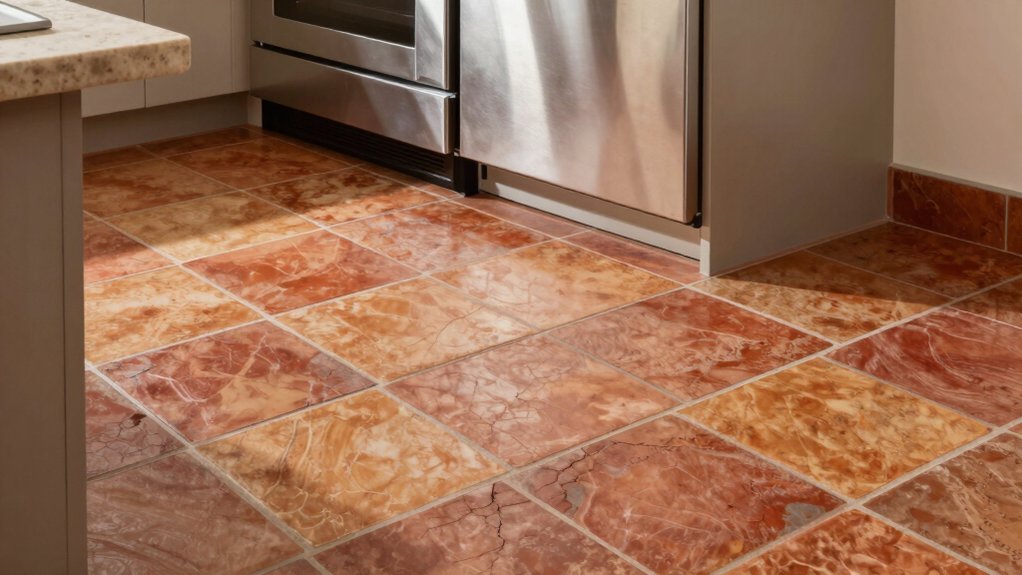
Saltillo tile offers solid durability for kitchen use, but its performance hinges on proper installation and maintenance. You’ll find dense clay with low porosity in well-fired pieces resists cracking under typical loads, yet impact and rapid temperature changes reveal weakness if unsupported.
In high-traffic areas, expect minor wear as a natural patina rather than failure; uniform absorption stays low when the substrate remains stable and joints stay intact. Porosity governs staining risk, so you’ll benefit from sealer choice matched to exposure, plus routine reapplication schedules.
Thermal cycling between hot cookware and cooling surfaces can induce microcracks if edge supports aren’t flush. Dimensionally stable installations, sound substrate preparation, and accurate grout spacing improve longevity, minimize movement, and sustain color consistency across decades.
Maintenance Basics for Saltillo Tiles in Daily Kitchen Use
Maintenance is about daily routines that protect color, finish, and structure. You clean Saltillo tiles with a pH-neutral solution to prevent mineral buildup, then rinse to avoid residue. Dry thoroughly to minimize moisture infiltration that can cause efflorescence. Wipe spills promptly, especially acidic or staining liquids, to maintain surface consistency. Use a soft mop or cloth; avoid abrasive scrubbers that scar the glaze and expose the clay body.
Sealants matter: reapply per manufacturer guidance, typically after professional cleaning or seasonal evaluation, to sustain stain resistance and color depth. Maintain grout with a compatible cleaner and gentle brushing, preventing grout decay. Ventilate during cleaning to reduce lingering odors and moisture.
Inspect regularly for micro-cracks, address promptly, and document maintenance intervals for consistent performance.
Resistance to Heat: Can Saltillo Handle Hot Pots and Piles?
Heat resistance varies with Saltillo’s clay body and glaze. You’ll find that natural clay leans toward moderate heat tolerance, while glaze adds a protective layer but can still crack under sudden thermal shock.
In practice, you should preheat cookware to avoid shocking the tile, and use trivets or ceramic mats for added protection.
Saltillo’s dense surface resists mild heat exposure, yet prolonged contact with hot pots or metal handles may cause microcracking or glaze craze if temperatures spike.
You’ll benefit from avoiding direct contact with burners or oven rims, and from promptly removing hot items to prevent thermal stress.
When installed correctly, with proper substrate and grout, everyday kitchen temperatures stay within safe limits, minimizing heat-related performance issues.
Moisture Tolerance: Addressing Spills, Humidity, and Sealing Needs
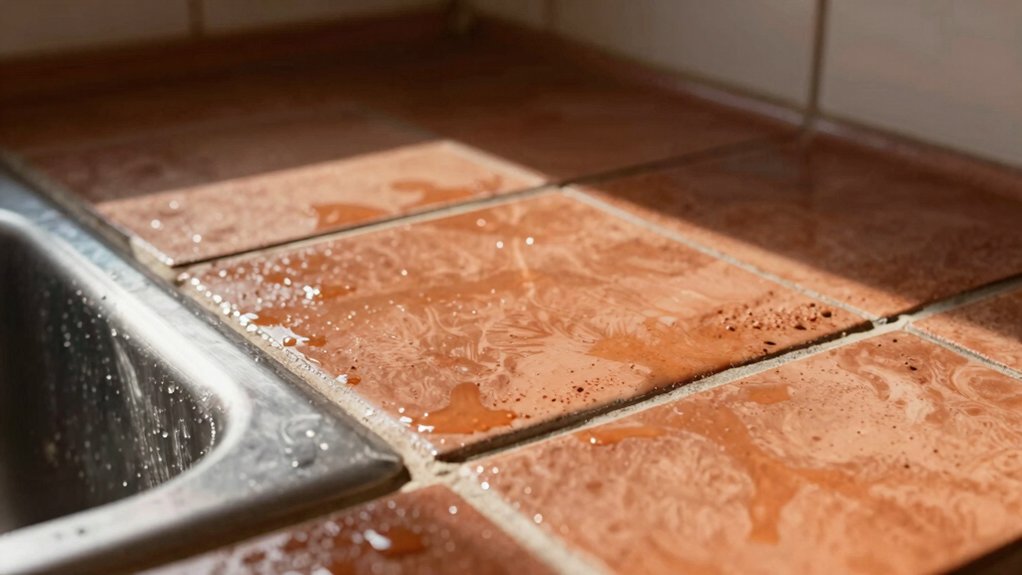
Spills and humidity challenge Saltillo tile differently than dry conditions, so you should seal and maintain the surface to minimize water penetration and staining. You, as the installer or homeowner, must evaluate grout joints and tile porosity to select an appropriate sealer—penetrating or film-forming—based on traffic and spill frequency.
Porous Saltillo benefits from a breathable, water-repellent sealer that resists staining without obscuring texture. Reapply per manufacturer guidelines after cleaning or every one to three years, depending on exposure.
Humidity invites efflorescence if improper sealing leaves moisture to migrate. Maintain a consistent cleaning routine using pH-neutral products and avoid harsh acids.
Address spills promptly with blotting, not rubbing, to prevent spreading and etching. Implement a routine moisture check during seasonal transitions.
Aesthetic Appeal: Color, Texture, and Rustic Charm in Kitchens
Saltillo tile brings immediate warmth to kitchens with its varied, sun-warmed hues and rustic texture. It offers a subtle range from creamy beiges to terracotta reds that deepen with age. You’ll notice color variation across tiles, lending an artisanal, handmade feel that aligns with rustic and Mediterranean aesthetics.
The surface presents a matte to lightly polished finish; you’ll experience restrained reflections and tactile depth that age gracefully. Texture ranges from smooth to lightly wind-swept, imparting subtle grip underfoot and visual complexity that complements wood, brick, or metallic accents.
For durability in daily use, the color integrity remains stable, while the patina develops with traffic and cleaning. Pairing with warm neutrals, character-rich cabinets, or natural stone enhances the cohesive, timeless charm.
Installation Considerations: Subfloor, Grout, and Layout Tips
Because Saltillo tile’s rustic character can show through subfloor imperfections, start with a stable, level substrate and proper acrylic or cement-based underlayment to prevent flexing and cracking. You should verify substrate flatness within 1/16 inch per 6 feet, using a straightedge and level.
Choose a grout with low shrinkage and high durability—wait, keep concise: high durability; guarantee grout joints are uniform to avoid telegraphing via tile edges. Install expansion joints at walls, doorways, and transitions, following manufacturer recommendations for movement accommodation.
Use a premium latex-modified mortar compatible with clay tiles, and embed mesh or lath only where required by substrate. Lay patterns that minimize thin edge exposure, and leave proper dwell time before grouting.
Seal after curing per product specs, and maintain consistent joint width for long-term stability.
Cleaning Tools and Products That Suit Saltillo Floors
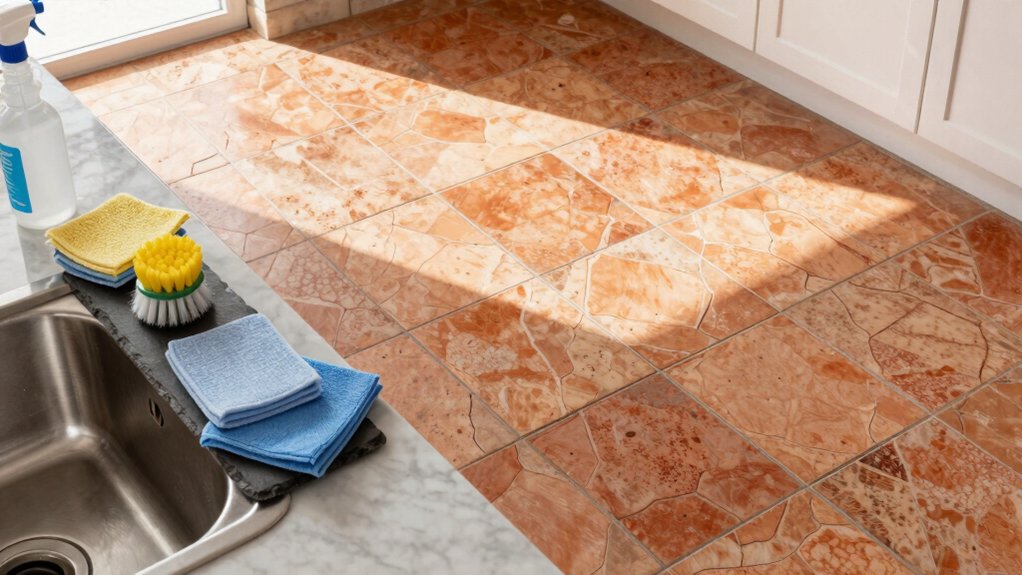
To clean Saltillo floors effectively, choose tools and products that respect the tile’s porous, slightly irregular surface and its protective seal. Start with a soft-bristle mop or microfiber cloth to avoid scratching.
Use a neutral pH cleaner, diluted per label, and avoid acidic or alkaline extremes that can dull the finish. For grit, sweep with a microfiber broom before mopping; never steam-clean Saltillo, as heat can loosen sealant layers.
Rinse thoroughly with clean water to prevent residue buildup. For stubborn spots, apply a small amount of cleaner, wait briefly, then wipe with a damp cloth—don’t scrub.
Seal maintenance matters: reapply the appropriate penetrating sealer on a schedule, following manufacturer guidance. Store products in a labeled, cool area away from direct sun.
Comparisons With Other Common Kitchen Tiles
Compared with other common kitchen tiles, Saltillo offers a warm, rustic appearance with natural variation that can enhance character but demands more sealant upkeep and careful maintenance.
You’ll notice that its porous surface readily shows stains and moisture, unlike glazed ceramic or porcelain, which resist absorption. The color range remains earthy and inconsistent, aiding a handcrafted look, yet complicates color matching and repair.
With stone or slate, you gain durability and scratch resistance but risk higher cost and weight. Porous cement tiles provide bold patterns but require sealing similar to Saltillo; however, Saltillo often needs more frequent resealing due to deposition from spills.
Maintenance-wise, avoid harsh abrasives; opt for periodic resealing, damp mopping, and prompt spill cleanup to preserve finish and moisture balance. Overall, Saltillo trades uniformity for texture and character.
Real-Life Pros and Cons for Saltillo in Busy Kitchens
Saltillo performs surprisingly well in busy kitchens when you plan around its quirks: its warm, textured appearance hides light wear, but its porous surface can show spills and stains more readily than glazed options.
In real life, you’ll notice durability hinges on maintenance routines and sealing quality. The material’s density resists impact, yet dense foot traffic reveals minor chipping near thresholds if dropped items occur.
Routine cleaning must be prompt to avoid stain setting; use pH-balanced cleaners and avoid aggressive alkalies. Sealing frequency matters: reapply as recommended to maintain spill resistance, especially in high-traffic zones.
Heat tolerance is acceptable for short-term hot items, though prolonged exposure risks discoloration. Overall, Saltillo balances charm with required upkeep, delivering practical performance for busy kitchens when you budget care and sealing.
Frequently Asked Questions
Is Saltillo Tile Suitable for Modern Kitchen Designs?
Yes, Saltillo tile can suit modern kitchens, but you’ll prioritize sealant protection and low-profile grouts. You’ll value warm tones, rustic texture, and durable maintenance, balancing contemporary cabinetry with matte finishes to avoid overly dated aesthetics.
How Prone Is Saltillo to Staining From Spills?
Spills stain Saltillo more than glazed alternatives, so you’ll need prompt blotting, sealing, and periodic resealing. You should use stain-resistant cleaners, avoid acidic spills, and protect high-traffic areas with mats to minimize absorption and discoloration.
Can Saltillo Handle Heavy Foot Traffic in Busy Kitchens?
Saltillo can handle heavy foot traffic in busy kitchens if properly sealed, maintained, and reinforced. You’ll want durable grout, periodic resealing, mats at entrances, and controlled moisture to minimize wear and preserve color variation.
Do Saltillo Tiles Require Sealing for Kitchens?
Yes, you should seal Saltillo tiles for kitchens. Sealing protects against stains and moisture, reduces porosity, and simplifies cleaning; reapply as recommended, especially after grout work or deep cleaning, to maintain durability and appearance.
Are There Cost-Effective Maintenance Options for Saltillo Floors?
Yes, you can maintain Saltillo floors cost-effectively by sealing less often with a penetrating sealant, spot-cleaning spills, using pH-neutral cleaners, and applying periodic re-sealing only on high-traffic areas to preserve color and durability.
Conclusion
Saltillo tile can hold its own in a kitchen, but you’ll pay with routine sealing and careful maintenance. Its rugged charm pairs well with warm interiors, yet requires vigilance against spills, moisture, and heat exposure. Think of it as a durable workhorse that demands a regular regimen: clean, reseal, and protect grout. In short, it’s a stylish, resilient option—if you’re committed to ongoing upkeep and proper installation. It’s the rustic heartbeat of a functional, lived-in space. Like leather, it ages gracefully.