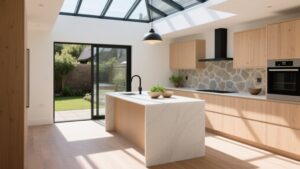
Renovating smartly means doing more with less: improving how a space looks and works without unnecessary cost, disruption, or waste. This article gives evidence-based, practical renovation ideas you can use today — organised so homeowners, designers and builders can act with confidence. I’ll cover planning priorities, clever storage, lighting upgrades, multi-use rooms, material choices (including sustainable options), and simple interventions that deliver high perceived value. Key claims reference recent industry data and reputable guidance so you — and Google — can judge the article’s expertise and trustworthiness.
Plan with purpose: start by defining outcomes
Before picking finishes, answer three questions:
- What problems must this renovation solve (storage, flow, light)?
- How will the room be used day-to-day and in 5 years?
- What is your realistic budget and contingency (10–20%)?
A clear brief reduces scope creep, helps trades price accurately, and shortens delivery times. Recent homeowner surveys show bathrooms and kitchens remain top priorities — knowing this helps you set project value and priorities.
Smart storage: make clutter disappear (without sacrificing style)
Storage is the single highest-impact element for making rooms feel larger and calmer. Use a mix of built-in and flexible storage to keep surfaces clear and create a tidy visual baseline.
Practical ideas:
- Built-in cupboards to follow wall lines (use alcoves, under-stairs).
- Bench seating with lift storage for window nooks.
- Floor-to-ceiling wardrobes to maximise vertical space.
- Multi-functional furniture (ottomans, beds with drawers, wall desks).
Design tip: hide everyday clutter behind closed doors; display a few chosen objects to keep personality without mess. Designers and organisers recommend thinking in three dimensions — height, depth, and multifunctionality — when planning storage.
Lighting: the renovation change that multiplies impact
Good lighting changes how materials and colours read, improves safety, and boosts wellbeing. Modern LED technology and layered lighting strategies are essential.
Where to focus:
- Layer lighting: ambient (general), task (kitchen counters, desks), accent (art, alcoves).
- Upgrade to LEDs and smart dimmers for energy savings and mood control; LEDs can cut electricity used for lighting dramatically and last far longer than incandescent or CFLs.
- Add under-cabinet lights in kitchens and LED mirrors in bathrooms to improve functionality.
Lighting design should be part of your electrical plan from day one — retrofitting later is more costly.
Flexible, multi-use spaces: design for changing lives
Homes now need to do more: work, learn, exercise, and entertain. Instead of building new rooms, make existing rooms more flexible.
Smart moves:
- Create zoning within open rooms using rugs, furniture, or shelving.
- Use foldaway desks and sliding doors to convert rooms quickly.
- Choose modular furniture that adapts as needs change.
These low-cost strategies increase usefulness without structural work; many renovators now prioritise flexible plans over single-purpose rooms.
Materials that work: durability, health and sustainability
Choosing the right materials avoids early wear and improves indoor air quality.
Guidelines:
- High-use surfaces (worktops, floors) should be durable and simple to maintain (engineered timber, porcelain tiles, quartz).
- Use low-VOC paints and adhesives to protect air quality.
- Consider reclaimed or certified sustainable timber and recycled materials — they reduce embodied carbon and often add unique character.
Sustainable materials and low-emission finishes are increasingly available and can be a selling point for future buyers.

Small changes, big returns: low-cost upgrades worth doing
Not every renovation needs a full strip-out. These smaller interventions often deliver high perceived value:
- Replace worn hardware (door knobs, cabinet handles).
- Repaint in a cohesive palette to unify spaces.
- Swap dated lighting and add dimmers.
- Refinish floors rather than replace them where possible.
These measures are fast, budget-friendly, and often appreciated by buyers and occupants alike. Industry indices still show kitchen and bathroom work as the most valuable midrange investments, so focus heavier spend there if resale matters.
How professionals plan renovations (simple roadmap)
A clear process keeps projects on time and budget. Professionals follow these stages:
- Brief & budget
- Measured survey & feasibility
- Concept design and mood boards
- Detailed drawings and specifications
- Quotation and programme with staged payments
- Build, inspections, snags and handover
Document changes in writing (change orders) to avoid disputes; keep all certificates and warranties for future sale and compliance.
Avoid common pitfalls
- Skipping a measured survey — leads to surprises.
- Not factoring electrical/plumbing placement into design — costly rework later.
- Choosing finishes only for looks, not durability.
- Underestimating disruption — plan temporary living arrangements for major works.
Always get at least two written quotes that match the same specification and check references.
Final practical checklist (before you start)
- Define the brief and must-haves.
- Set a realistic budget + 10–20% contingency.
- Lock in a schedule and communication plan with your contractor/designer.
- Include lighting and electrical design early.
- Choose durable materials for high-use areas and low-VOC finishes.
- Keep all paperwork and warranties in one folder.
Enhancing Liveability Through Thoughtful, Human-Centred Renovation Design
One of the most overlooked aspects of smart renovation is human-centred design — shaping a home around the way people naturally move, work, and relax. This approach ensures that every renovation not only looks beautiful but genuinely improves daily living. A well-designed space removes friction: clearer circulation paths, easier-to-reach storage, better lighting levels, ergonomic work surfaces, and quieter, more private areas for focus or rest.
Experts emphasise evaluating behavioural patterns before planning any renovation. For example: Where do people gather most? Which spaces feel too dark or cramped? Which areas tend to collect clutter? Mapping real-life habits helps identify priority zones and prevents unnecessary spending on areas that don’t need major change.
Another essential component is sensory design. The right mix of textures, acoustics, colours, and lighting can transform the emotional atmosphere of a room. Softer materials create calmness in bedrooms and lounges, while reflective or brighter finishes add energy in kitchens and workspaces. Introducing biophilic elements — plants, natural wood, stone, and maximised daylight — is proven to improve wellbeing and perceived space quality.
When combined, human-centred planning and sensory design elevate a renovation from being simply “improved” to genuinely life-enhancing. These details often distinguish an average renovation from an exceptional one.
Closing thought
Smart renovations balance beauty and function. By prioritising storage, layered lighting, flexible layouts, durable materials and a good process, you’ll create spaces that feel larger, work better, and hold long-term value. Recent trends show homeowners continue to invest in kitchens, bathrooms and energy-smart upgrades — plan your work accordingly and you’ll get both daily enjoyment and measurable return.