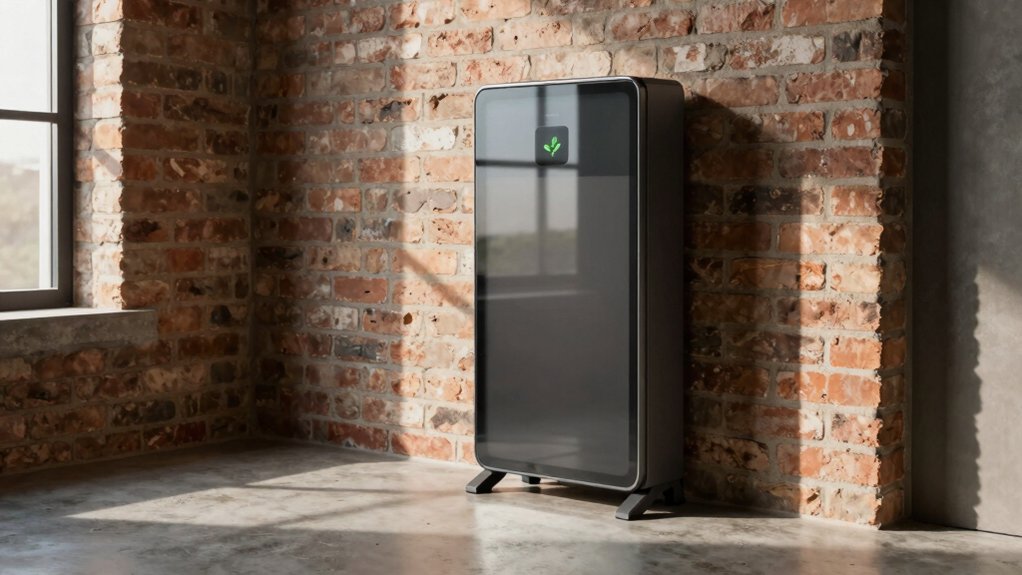
UK government grants for energy-efficient heaters cover heat pumps, low-temp radiators, and high-efficiency gas boilers with smart controls. Eligibility hinges on efficiency, fuel type, dwelling type, and income or benefit status, with priority for fuel-poor homes. Funding is usually partial, with caps and required documentation. You’ll need quotes, IDs, and proof of residence, plus contractor eligibility. Plan phases and deadlines carefully to avoid delays, and be aware of program limits. If you press on, you’ll uncover practical steps and tips you can use.
What Energy-Efficient Heaters Qualify in UK Grants?
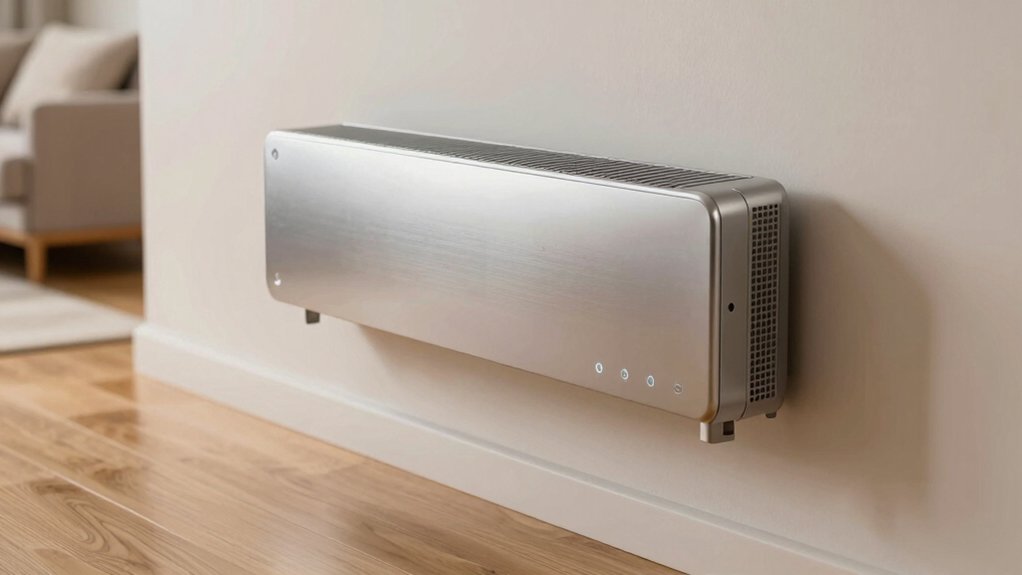
Some energy-efficient heaters qualify for UK grants if they meet specific standards set by policy programs, such as efficiency ratings, fuel type, and installation context. You’ll find grants typically target electric heat pumps, low-temperature radiator systems, and high-efficiency gas boilers with modern controls.
Eligibility hinges on performance metrics like seasonal efficiency and part-load efficiency, plus compliance with safety and installation guidelines. Grants often exclude older, inefficient models and non-standard configurations, to ensure cost-effective decarbonisation.
Fuel type matters: heat pumps frequently receive stronger support due to low operational emissions, while high-efficiency boilers may qualify when paired with smart thermostats or district heating compatibility.
Documentation, installation quotes, and installer accreditation usually underpin the application, ensuring verifiable performance and policy alignment. Always verify current program specifics before purchasing.
Which Households Are Eligible for the Support?
Households eligible for energy-efficient heating support are typically identified by income, property type, and location, as defined by each program’s rules. In practice, schemes target low-to-middle income renters and homeowners, with emphasis on fuel-poor areas and homes with high energy usage.
Eligibility may hinge on receiving certain benefits, residing in specific dwelling types (such as detached, semi-detached, or flats), or meeting energy-performance thresholds like a minimum energy rating. Some programs prioritize households in targeted regions or council tax bands, while others require proof of occupancy and ownership.
You should expect rolling reviews, periodic recertification, and income verification, plus temporary exceptions for vulnerable groups. Before applying, verify local criteria, required documentation, and whether your property qualifies under current policy priorities.
How Much Funding You Can Receive and What It Covers?
How much funding you can receive and what it covers depend on the program design, funding envelope, and the specific measures funded.
In practice, awards vary by eligibility group, project scope, and cost caps. Typical grants reimburse a portion of qualifying measures, often excluding basic replacements or non-energy-related upgrades.
You may encounter flat rate subsidies or tiered contributions tied to energy savings targets, equipment efficiency, or retrofit complexity.
Some programs cap total funding per dwelling or per project, with cumulative limits across multiple measures.
The covered items generally include high-efficiency heaters, insulation improvements, smart controls, and diagnostic assessments, but may exclude outdoor equipment or noncore components.
Administration rules dictate documentation, contractor eligibility, and warranty requirements to guarantee value for money and measurable performance.
Step-By-Step Guide to Applying for Grants
To start applying, you’ll verify eligibility and confirm which grants you qualify for, so you don’t waste time on ineligible options.
Next, gather the required documents and make certain they’re organized to streamline the submission.
Then, follow the grant application steps in order, noting timelines and any follow-up actions you must take.
Apply With Eligibility
Before you apply, map out eligibility and required documents to avoid delays: grants for energy-efficient heaters typically hinge on household income or property-type, appliance standards, and target energy savings. You’ll assess the scheme’s eligibility criteria, confirming you meet residency rules, occupancy status, and home energy retrofit goals.
Verify whether you qualify for priority groups, such as low-income households or rural properties, and note any caps on grant amounts or funded measures. Review application timelines, submission windows, and renewal or retrofitting requirements to ensure alignment with program policy.
Prepare a concise summary of your retrofit plan, including model numbers, efficiency ratings, and estimated energy reductions. Ensure your understanding of compliance conditions, data privacy, and post-approval reporting obligations to minimize the risk of grant denial or clawback.
Gather Required Documents
Gather all required documents before you apply to avoid delays. Start by confirming eligibility criteria and the specific grant’s documentation needs. You’ll typically need proof of identity, residency, and household income or benefit entitlement.
Collect recent energy bills or utility statements to verify energy usage and eligible measures. Have contractor quotes, installation plans, and a detailed project description ready to justify the retrofit scope.
Prepare manufacturer specifications for energy-efficient heaters and any relevant product certifications. Some programs require environmental or energy efficiency assessments; secure those reports in advance.
Keep scanned copies and originals organized, labeled, and securely stored. Verify submission deadlines and whether documents must be uploaded or mailed.
Incomplete packages delay decisions and funding disbursement.
Grant Application Process Steps
Once you’ve confirmed eligibility and gathered the required documents, map out the application flow by identifying the grant’s contact points, submission channels, and key deadlines. Then, align your project details with the program’s evaluation criteria to optimize the chance of approval.
Begin with a formal request or portal submission, noting any mandatory forms, supporting evidence, and declarations. Establish a clear project narrative: energy savings, cost justification, and payback period, tied to stated metrics.
Attach verified invoices, supplier quotes, and installation timelines where required. Track milestones: submission receipt, reviewer feedback, and decision timelines. If amendments are asked, respond promptly with concise, targeted information.
Maintain compliance by double-checking eligibility criteria, data accuracy, and privacy provisions. Prepare a formal follow-up plan to confirm grant agreement, monitoring, and reporting requirements.
Timelines, Deadlines, and How to Plan Your Upgrade
To plan your upgrade effectively, start by mapping the program timelines and deadlines for eligible energy-efficient heaters, then align procurement, installation, and funding steps to those dates.
Gather current guidance on eligibility windows, grant caps, and required documentation, and set internal milestones accordingly.
Create a phases schedule: eligibility confirmation, quote requests, supplier selection, grant application, delivery, installation, and post-installation verification.
Build contingencies for supply delays or revised funding rounds, and monitor announcements from the administering body for deadline extensions or policy shifts.
Validate budget assumptions with unit costs, VAT treatment, and potential co-funding.
Guarantee responsible procurement practices by documenting decision rationales and aligning with energy-performance targets.
Finally, establish a monitoring plan to track milestones, approval statuses, and compliance throughout the upgrade lifecycle.
Common Pitfalls and What to Avoid
To avoid delays, start by tightening your application to prevent common errors that stall approvals. Check eligibility gaps and align your claims with program rules.
Then verify all documents and deadlines before submission. This sets a precise foundation for timely funding and reduces back-and-forth with reviewers.
Common Application Errors
Common application errors often stem from unclear eligibility criteria and incomplete documentation. You’ll trip up if you assume rules are the same across schemes or if you overlook superfluous forms.
Start by misinterpreting the requiredEvidence or mislabeling supporting files, which leads to processing delays. You should avoid submitting PDFs that aren’t scan‑ready, or documents without dates, signatures, or proof of residency.
Incomplete declarations increase rejection risk; ensure your energy-efficiency retrofit meets the specified technical thresholds and that you cite the exact model numbers.
Misunderstanding timelines is common: grant windows close early, and late submissions often fail. Don’t neglect evidence of cost‑saving projections or supplier invoices.
Finally, don’t rely on verbal assurances; capture all claims in written, verifiable form.
Eligibility Gaps To Check
Eligibility gaps can derail a grant application if you don’t pin down the specifics early. Start by mapping eligibility rules against your situation, not the other way around. Check whether you fall into the targeted sectors, dwelling types, and retrofit scales the program supports, and note any income or occupancy limits.
Don’t assume the grant covers all energy-saving measures; some funds are Stratford-focused or limit hardware types, installation partners, or supplier confirmation. Be wary of milestones, project start dates, and minimum energy savings thresholds, which can tighten eligibility.
Clarify whether you can combine this grant with other subsidies, and verify any required accreditation or supplier qualifications. Finally, identify potential mismatches between your timeline and approval, as timing can jeopardize funding.
Documentation And Deadlines
Documentation and deadlines can make or break a grant, so you’ll want a tight, evidence-based plan. In this topic, you’ll map required documents, timelines, and submission channels to avoid gaps that lead to delays or denial.
Prioritize completeness: verify eligibility proofs, receipts, quotes, and compliance certificates before you engage. Common pitfalls include mismatched names, outdated project descriptions, and missing signatures; each error triggers reviews or rejections.
Keep a calendar with application windows, review periods, and appeal timelines, and align them with procurement steps to prevent last-minute rushes. Maintain a single source of truth for versions, contact points, and status updates.
After submission, track progress actively, prepare contingencies for requests for additional information, and document all communications for audit readiness.
Alternatives and Tips to Maximise Savings Beyond Grants
To maximise savings beyond grants, start by auditing your home’s energy use and prioritising cost-effective upgrades with the strongest payback, such as inhibitor-free insulation, air-sealing, and high-efficiency heaters.
A data-driven approach helps identify gaps between measured energy consumption and expected performance, enabling targeted interventions rather than broad, costly replacements.
Focus on building fabric first, since improved enclosure reduces demand more reliably than new equipment alone.
Evaluate policy-backed incentives for thermostat controls, smart meters, and zoned heating, which can amplify savings with minimal disruption.
Favor standardized efficiency metrics and supplier guarantees to ease comparison and risk.
Implement periodic performance monitoring, ensuring real-world savings align with projections.
Finally, align upgrades with local energy targets and building codes to sustain long-term affordability and compliance.
Frequently Asked Questions
Do Grants Cover Installation Costs and Labor Charges?
Grants sometimes cover installation and labor, but it varies by program. You’ll typically find limits, eligibility checks, and approved contractors; verify with the specific scheme, request cost breakdowns, and confirm what’s included before committing to fitting.
Can Landlords Apply on Behalf of Tenants for Grants?
Yes, you can, but it depends on the scheme; landlords often apply for tenants where permitted, but tenants may need to authorize and meet eligibility. You should verify tenancy status, consent, and documentation before submitting applications.
Are There Eligibility Limits by Energy Efficiency Rating?
Yes, there are eligibility limits by energy efficiency rating. You’ll typically need a minimum rating (e.g., EPC or similar) to qualify, and higher efficiency yields better grant odds. This policy prioritizes higher-rated homes for funding.
How Long Does Approval Take After Submitting an Application?
Approval times vary, but you typically receive a decision within 4–8 weeks after submission, depending on project completeness and funding checks; make certain all documents are accurate to avoid delays, and monitor notifications for any requested clarifications.
Do Grants Affect Eligibility for Other Government Support Programs?
Grants can affect eligibility for other programs, you should check each scheme’s rules and interaction criteria before applying. Like a map through fog, analyze overlaps, potential offsets, and reporting duties to avoid disqualifications or reductions in support.
Conclusion
You’ve seen how UK grants steer energy-efficient heater upgrades, targeting lower bills and emissions. The policy mix—eligibility rules, funding caps, and timelines—shapes your upgrade choices and planning. Are you optimizing now for both shortest payback and long-term resilience? Stay aware of common pitfalls, compare schemes, and document your improvements to maximise future savings. By aligning your purchase with grant conditions, you can *release* meaningful costs reductions while supporting national energy goals.